Literature’s contemplation of the banality of existence was once a male-dominated field… but not anymore! If you are interested in narratives of women wading through dread and anxiety, who seek meaning and intimacy in strange, desperate, and painfully human ways, you have a breadth of material to choose from. Here are four books I’ve enjoyed concerning that continued struggle: women vs. the void.

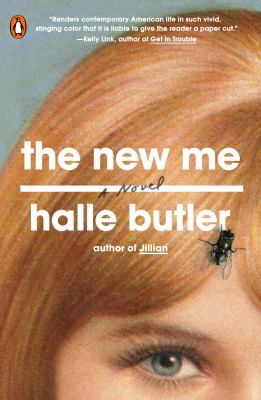
Halle Butler is a terrifyingly talented writer of feel-bad fiction. I picked up “The New Me” after reading her first novel, “Jillian” (which, arguably, deserves a place on this list, but I chose the more redemptive of the two). This is the story of 30-year-old Millie, an unfulfilled temp worker living alone in Chicago. When she’s not shredding documents and answering phones, she’s hanging out with her awful friend Sarah, or watching “Forensic Files.” Frequently, she’s struck by a powerful feeling of optimism; an urge towards self-reinvention that inspires her to vacuum, or scream, or go online shopping for stylish outfits she will wear to the respectable full-time job she is sure she will have someday, if only life would show her a little kindness…
“I get socked in the chest, thinking about how things never change. How they’re on a slow-rolling slope downward, and you can think up a long list of things you’d rather do, but because of some kind of inertia, or hard facts about who you are and what life is, you always end up back where you started, sitting drunk on a hard, sticky chair with someone you hate.”
I rooted for Millie, I was repelled by Millie, and through it all I felt a real tenderness for this weary, hopeful soul (Thank you, Halle Butler. I await your next novel eagerly, and with dread). Continue reading “Women vs. The Void”
A-B-C-D
The world is better with you and me!
“All Together Now” is the theme of the Daniel Boone Regional Library’s 2023 Summer Reading program, and it’s all about kindness and togetherness.
Summer Reading is free and open to all ages — babies through adults — and participants can earn prizes for reading and completing activities! Get a leg up on your reading with these books celebrating friendship, teamwork and community. Continue reading “Literary Links: Summer Reading 2023”
Do you love fiction tinged with melancholy? Mysterious, irresistible protagonists with rich inner lives? Stories that leave you with a feeling of stillness, and hope? Here are four pieces of fiction I’ve enjoyed this year. Maybe there’s something here for you!
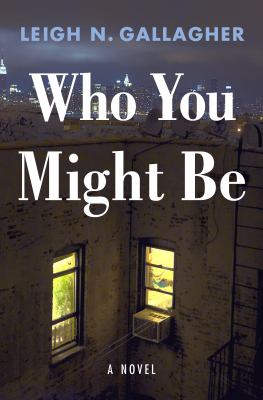
I picked up “Who You Might Be“off the first floor New Books display. I was drawn to the cover’s soft blue cityscape. The illuminated windows in the foreground intrigued me — what little lives might be unfolding within those frames? In her debut novel, Leigh N. Gallagher weaves together a story of astonishing breadth and dimension. If you’re in it for the character development (the growth and redemption, along with the occasional fall from grace), this is the book for you. Continue reading “Four Fiction Recommendations”
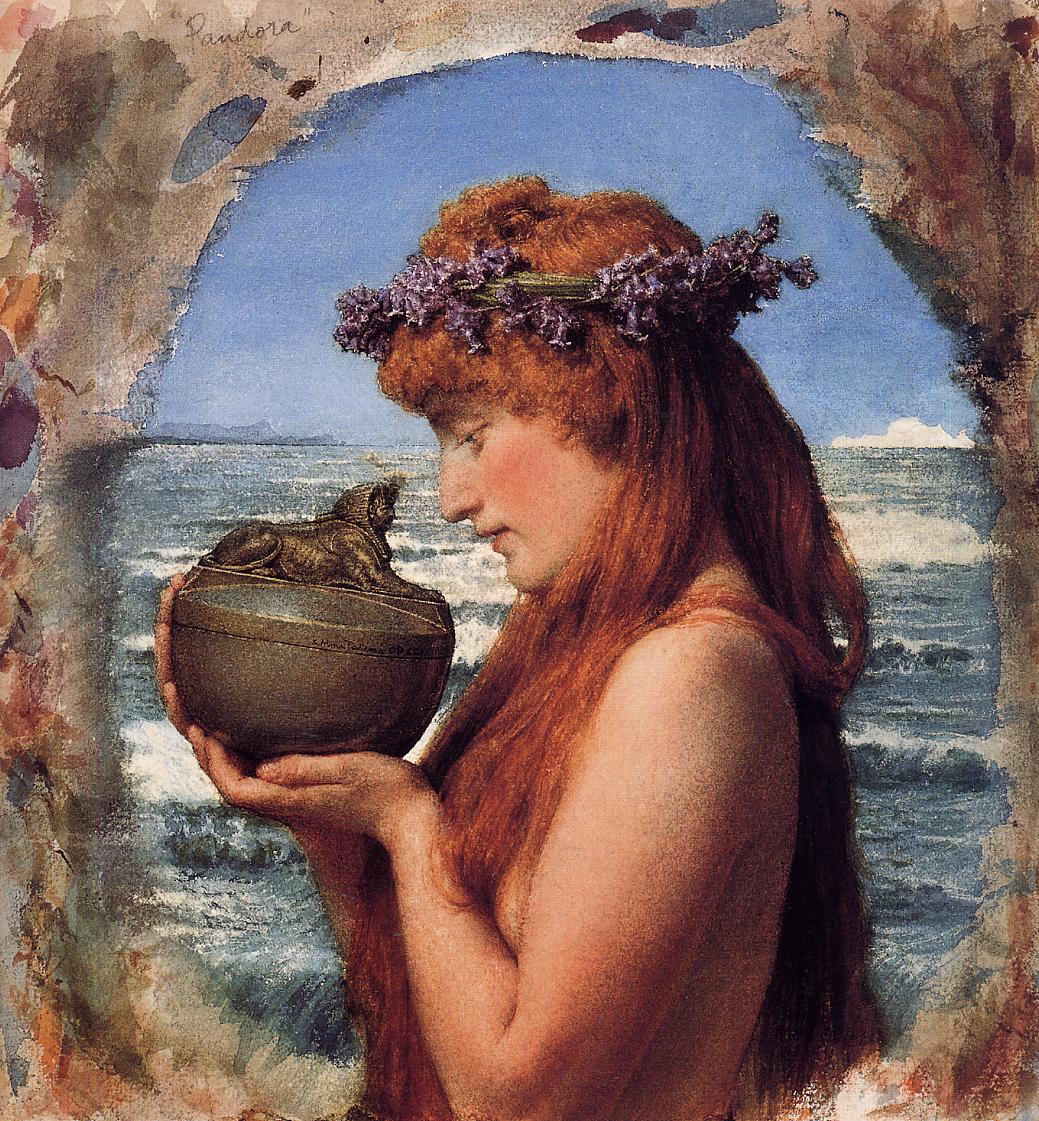 Of course, I read “The Odyssey” and “The Iliad” in high school (do they still cover those these days?) and I even got through a few others like “Antigone,” but to be honest, I was not much of a fan. It was all about men doing manly things and often horrible things. The women were all witches or victims or passive wives and slaves. I didn’t find much in it that I could relate to.
Continue reading “The Women of Ancient Greece”
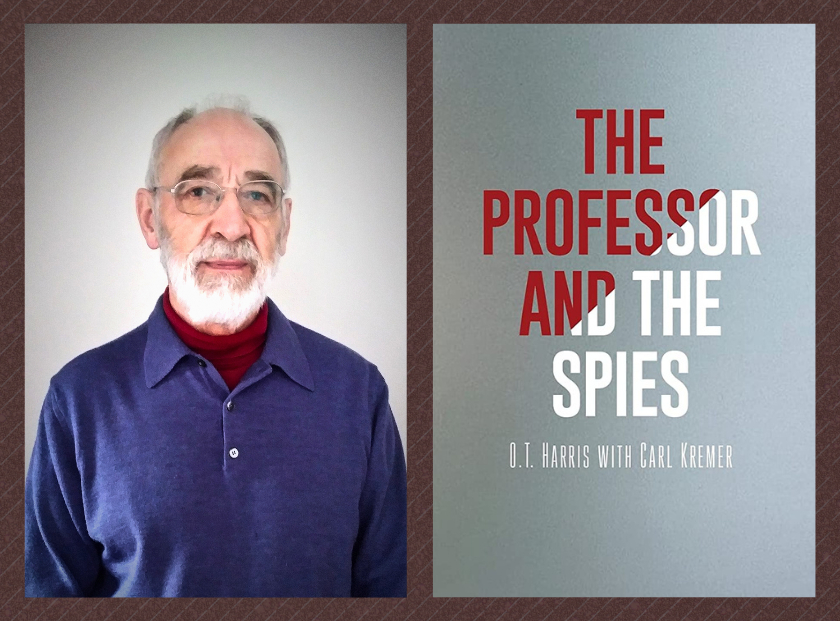
Carl Kremer is a Fulton, MO writer who has co-authored and finished a novel started by the late O.T. Harris called “The Professor and the Spies.” Harris, a retired banker from Fulton, began writing the novel in his 80’s, but after he died his friend Kremer helped finish the novel. The fictional book starts with a professor researching the security measures behind Winston Churchill’s 1946 Iron Curtain speech in Fulton, MO, with the narrative bouncing to various international locales featuring spies, drinking, romance, intrigue and dark secrets. Kremer is a retired William Woods University English professor who has written essays and short stories but this is his first published novel. He was kind enough to take the time to be interviewed via email. Continue reading “Q&A With Carl Kremer, Co-author of “The Professor and the Spies””
Below I’m highlighting some nonfiction books coming out in May. All of the mentioned titles are available to put on hold in our catalog and will also be made available via the library’s Overdrive website on the day of publication in eBook and downloadable audiobook format (as available). For a more extensive list of new nonfiction books coming out this month, check our online catalog.
Top Picks
 “The Power of Trees: How Ancient Forests Can Save Us if We Let Them” by Peter Wohlleben, Jane Billinghurst (translator) (May 2)
An illuminating manifesto on ancient forests and how they adapt to climate change by passing their wisdom through generations, and why our future lies in protecting them. In his beloved book “The Hidden Life of Trees,” Peter Wohlleben revealed astonishing discoveries about the social networks of trees and how they communicate. Now, in “The Power of Trees,” he turns to their future, with a searing critique of forestry management, tree planting, and the exploitation of old growth forests. As human-caused climate change devastates the planet, forests play a critical role in keeping it habitable. While politicians and business leaders would have us believe that cutting down forests can be offset by mass tree planting, Wohlleben offers a many tree planting schemes lead to ecological disaster. Not only are these trees more susceptible to disease, flooding, fires, and landslides, we need to understand that forests are more than simply a collection of trees. Instead, they are ecosystems that consist of thousands of species, from animals to fungi and bacteria. The way to save trees, and ourselves? Step aside and let forests — which are naturally better equipped to face environmental challenges — to heal themselves. With the warmth and wonder familiar to readers from his previous books, Wohlleben also shares emerging scientific research about how forests shape climates both locally and across continents; that trees adapt to changing environmental conditions through passing knowledge down to their offspring; and how old growth may in fact have the most survival strategies for climate change. At the heart of “The Power of Trees” lies Wohlleben’s passionate that our survival is dependent on trusting ancient forests, and allowing them to thrive. Continue reading “Nonfiction Roundup: May 2023”
The best stories are the convincing ones — the ones that feel real. The ones with living, breathing characters who contain constellations of motivations and fears, likes and dislikes. Characters who connect with each other in complex and sincere ways. The worst stories are the ones that make you feel like you’re being lied to, or being sold something you can’t quite buy. That’s how a lot of love stories make me feel: Why are these characters so drawn to each other? What do they even have in common? Have they had a single substantive conversation, or are we just going based on chemistry and vibes? Are they being themselves? Are they really interested in understanding, challenging, and considering each other?
Why, out of all the possible, random pairings, is this one special? What makes this romance meaningful? Maybe you’re rolling your eyes at me — I am, too. Reader, I wish it was easier to believe in love stories. I wish I hadn’t found The Notebook completely nauseating (A woman catches a man’s eye at a carnival one summer night and he spends the rest of his life pining for her? Seems weird).
My disbelief doesn’t come from pessimism — it’s really the opposite. I believe in human connection. I believe it makes a life worth living. I believe in love’s ability to surprise us, enliven us, and restore us. So it’s frustrating to watch and read shallow representations of romance, when there is so much more to a love story than attraction and yearning. I don’t want to watch people meet each other, and chase each other. I want to watch them get to know each other, for real. Continue reading “Real Romance”
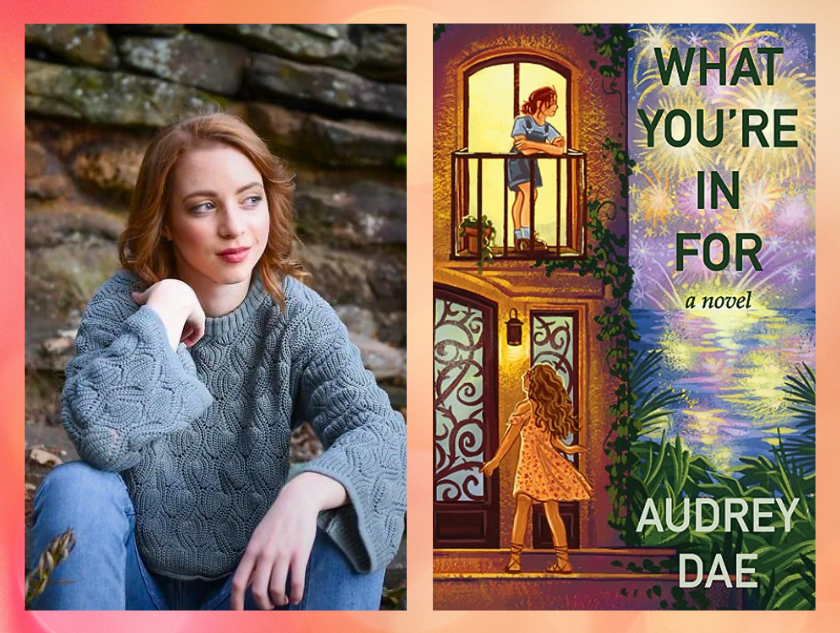
Audrey Dae is a Columbia, MO author whose debut book is “What You’re In For.” The book is a young adult fiction adventure-thriller that follows a range of teens over a particularly explosive Fourth of July weekend in the Missouri Ozarks. Dae is currently completing a degree in English from the University of Missouri, where she interns for The Missouri Review literary magazine. She was kind enough to take the time to be interviewed via email. Continue reading “Q&A With Audrey Dae, Author of “What You’re In For””
There are currently over 6 million Americans living with Alzheimer’s disease. According to the CDC, “Dementia is not a specific disease but is rather a general term for the impaired ability to remember, think, or make decisions that interferes with doing everyday activities. Alzheimer’s disease is the most common type of dementia. Though dementia mostly affects older adults, it is not a part of normal aging.” The Alzheimer’s Association of Greater Missouri is a local resource for anyone seeking information about Alzheimer’s disease or dementia. The Alzheimer’s Association says there are many conditions that can cause symptoms of dementia, including some that are reversible, such as thyroid problems and vitamin deficiencies. Alzheimer’s Disease is currently not curable. However, there are some medications and therapies that can slow cognitive decline or help with symptoms. It is good to weigh any medication’s benefits with its side effects. Continue reading “Literary Links: Alzheimer’s Disease and Dementia”
Most of us learned something about haiku in school. It’s the tiny poem that packs a big punch. “Many think haiku is strictly a 5-7-5 syllable pattern ending in a 17-syllable poem, and it can be that, but more important is the image. A haiku is the fewest words, one to three lines, that appeal to the senses and focus on nature.” This explanation of the form comes from Missouri Poet Laureate, Maryfrances Wagner, who in conjunction with the Missouri Arts Council, is spearheading the Missouri Haiku Project. “I’m inviting all Missourians to create haiku poems that reflect nature in Missouri and share them, read them or turn them into art,” Wagner says.
The project runs through May 23, with events occurring throughout the state, including “Tea and Haiku” in the Columbia Public Library Friends Room, Tuesday, April 11 at 7-8 p.m. Haiku enthusiast Christine Boyle will be your guide for a fun and relaxed hour of writing and sharing short poems over tea. A selection of your poetry will be displayed in the library following the event! Tea and writing materials will be provided. This program is a part of the Missouri Poet Laureate Haiku Project and is for adults and teens. No registration is required and all skill levels are welcome.
For more haiku joy, take a look at one or more the following titles: Continue reading “Tea & Haiku: Missouri Haiku Project”