Written by Kat Stone Underwood and Lauren Williams, One Read co-chairs
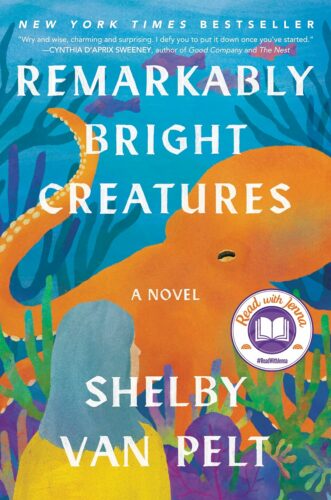
This year’s One Read selection, Shelby Van Pelt’s “Remarkably Bright Creatures,” tells the story of an unlikely friendship between a grieving widow and a giant Pacific octopus and the subsequent surfacing of family secrets. This heart-warming novel beat out “Playground” by Richard Powers, an ambitious novel exploring AI, humanity and our endangered oceans.
Before the public vote on the 2026 title, a panel of community members considered a varied list of finalist books, including tales of heists and hijinks, maps and murder, hidden identities and family dramas.
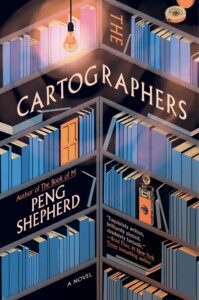
 A set of complicated relationships sets the gears turning in “The Cartographers” by Peng Shepherd. This fast-paced, suspenseful novel follows Nell, a young, disgraced cartographer who discovers a copy of a map that shouldn’t exist, seemingly left for her by her estranged and just-found-murdered father. Nell investigates the origins of the extremely valuable map, leading her to meet a handful of her dead parents’ contemporaries who have a stake in keeping the map secret. But there’s a mysterious collector who will stop at nothing to find and destroy it.
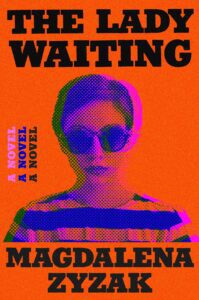
Moving from mysterious maps to stolen art, “The Lady Waiting” by Magdalena Zyzak opens with Viva picking up a strangely glamorous hitchhiker in Los Angeles named Bobby. The two quickly bond over both being from Poland, though Bobby’s life is far more decadent. After accepting a job as a live-in assistant to Bobby and her mysterious husband, Viva quickly becomes embroiled in a plot to “fake-steal” a valuable Vermeer from a Russian oligarch. This sardonic and incredibly fast-paced novel takes the reader on a rollicking ride with a wild cast of characters.
And if one art theft wasn’t enough, the panel also considered “The Art Thief” by Michael Finkel, the true story of prolific French art thief Stéphane Breitwieser who conducted over 200 heists throughout Europe over eight years. Finkel’s book examines the captivating, sometimes unbelievable life of Breitweiser and his partner in crime and life Anne-Catherine Kleinklaus during the period of time in which they stole around $1.5 billion worth of art. This extensively researched book is sure to be a hit with art history and true crime lovers alike.
Another unique tale is found in “Blood Test: A Comedy” by Charles Baxter. This witty novel follows mild-mannered Brock, a divorced dad making his living as an insurance salesman, who takes a predictive blood test offered by his doctor, only to learn that he has a predisposition for murder. Now acutely aware of his potentially murderous future, he navigates complex relationships with his gay son, his daughter, his ex-wife and her homophobic boyfriend. This novel is sharply funny, and yet leans toward self-reflection.
Questions of identity and family are explored more somberly in the heartbreaking “Fire Exit” by Morgan Talty. Middle-aged Charles grew up on the Penobscot Reservation with his white mom and Native American stepdad. With no Native blood, he was forced to leave at 18. Now he lives across the river from the reservation, caring for his mom and tending to his own sobriety, and observes the comings and goings of his secret daughter, wondering whether he should reveal to her who he is.
The feel-good “Theo of Golden” by Allen Levi also has a secret-keeper at its center: the mysterious octogenarian who arrives in a small southern town, begins buying the portraits of locals displayed on a coffee shop wall, and makes it his mission to gift these portraits to those they represent. The result is a quilt of stories and friendships that form the community of Golden, and an eventual revelation of Theo’s true identity.
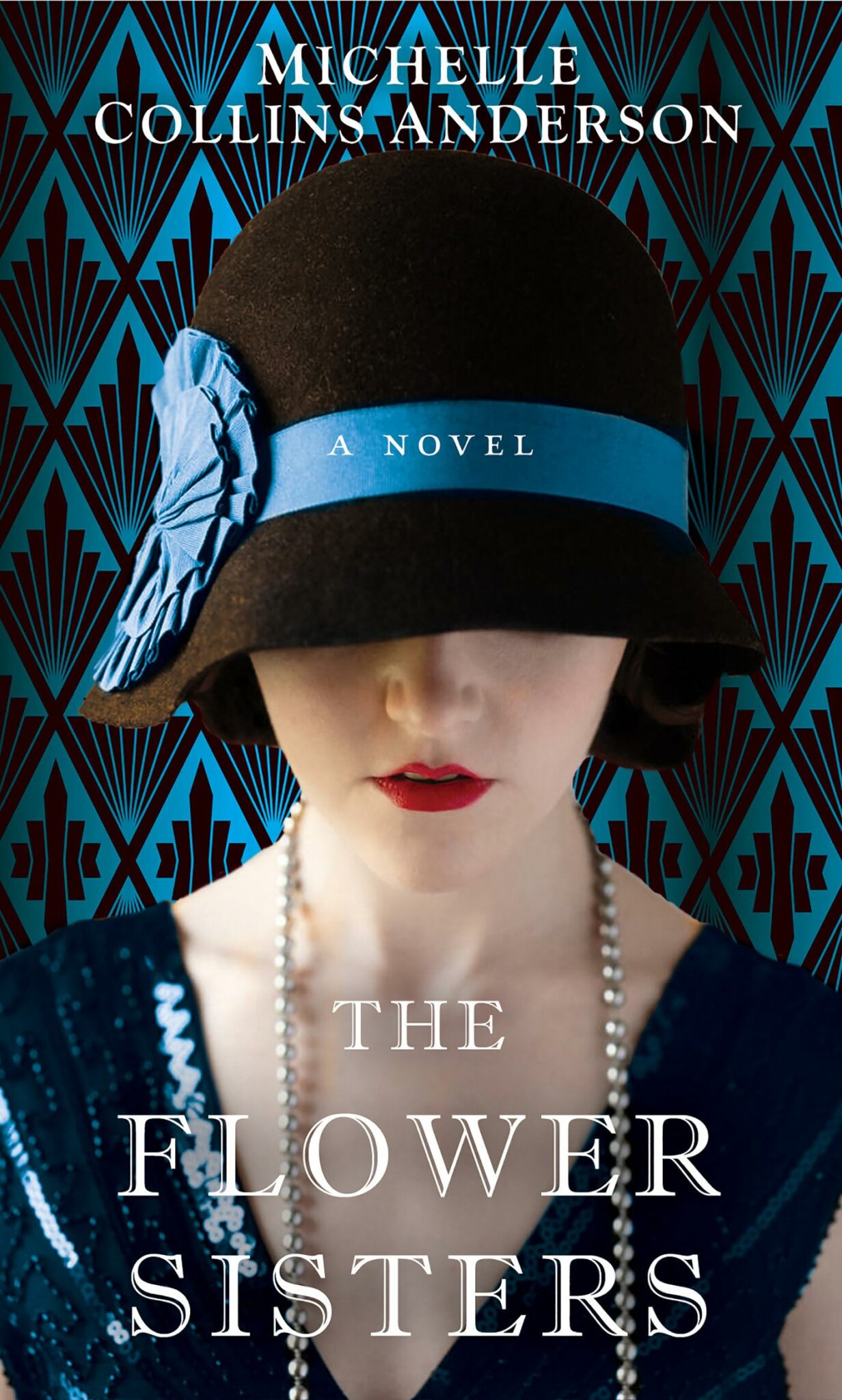
“The Flower Sisters,” a coming-of-age historical fiction novel by Michelle Collins Anderson, begins in 1928 with twin sisters swapping identities and a tragic explosion in a Missouri dance hall . Fifty years later, 15-year-old Daisy Flowers is dumped in Possum Flats, Missouri to spend the summer with her grandmother Rose, whose sister was killed in the dance hall disaster. Daisy talks her way into an internship at the small town paper, learns about the town’s tragedy, and sets out to tell the stories of the survivors, uncovering many secrets along the way.
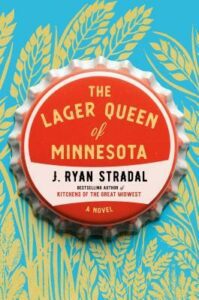
Sisters also feature in our last One Read candidate, J. Ryan Stradal’s good-hearted “The Lager Queen of Minnesota.” Estranged for decades after an inheritance dispute, Helen and Edith have the opportunity to reunite after Edith’s beer-brewing granddaughter brings them back in contact.
Join the library and the One Read Task Force in September as we explore the topics and themes in “Remarkably Bright Creatures” — including human-animal relationships, aging and found family — through art, discussions, films and more. Visit www.dbrl.org/one-read later this summer for event details.

 It was an aquarium (or rather, a video of an octopus attempting a daring escape from one) that eventually pulled Van Pelt toward writing “
 A set of complicated relationships sets the gears turning in “
 Moving from mysterious maps to stolen art, “
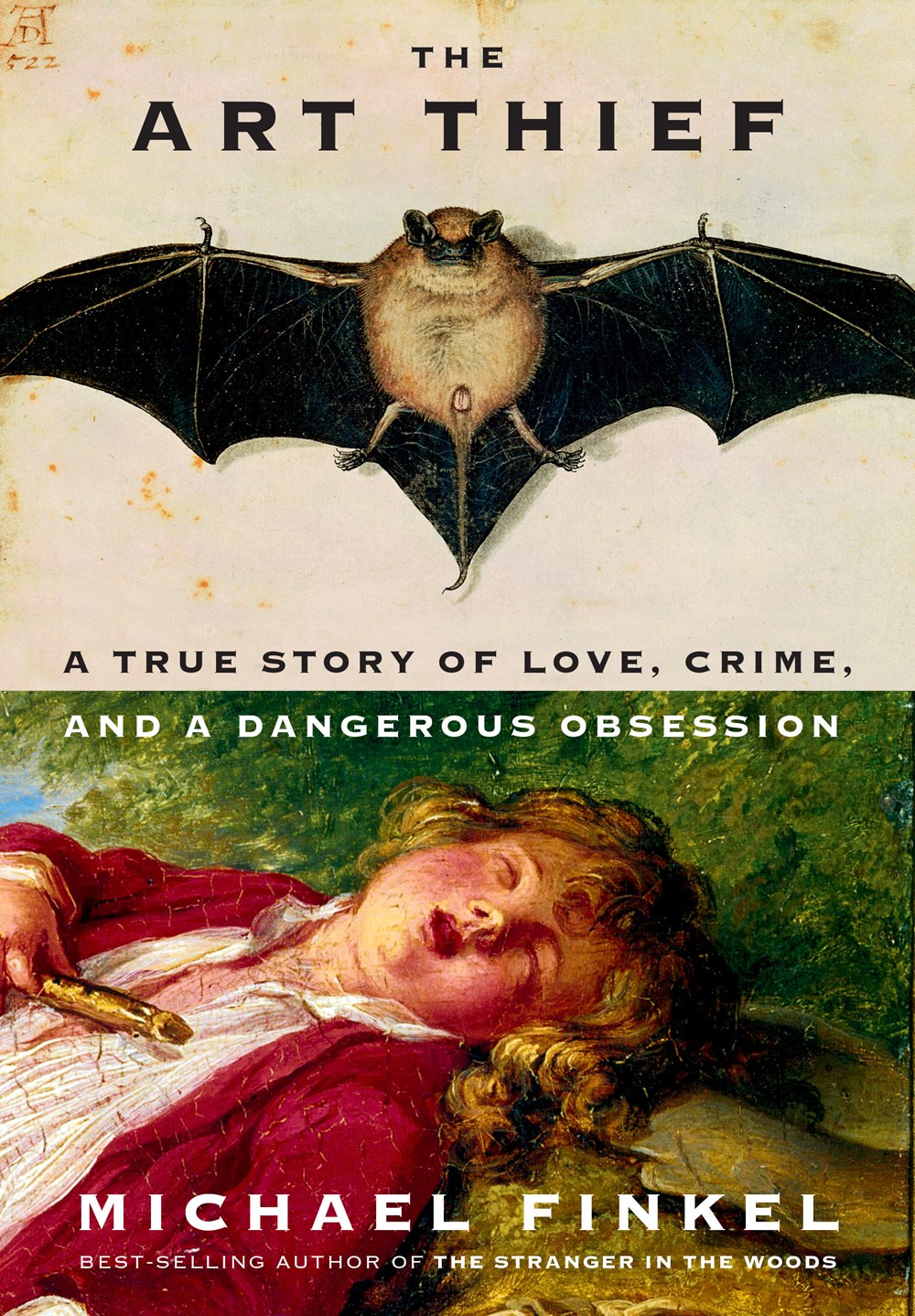 And if one art theft wasn’t enough, the panel also considered “
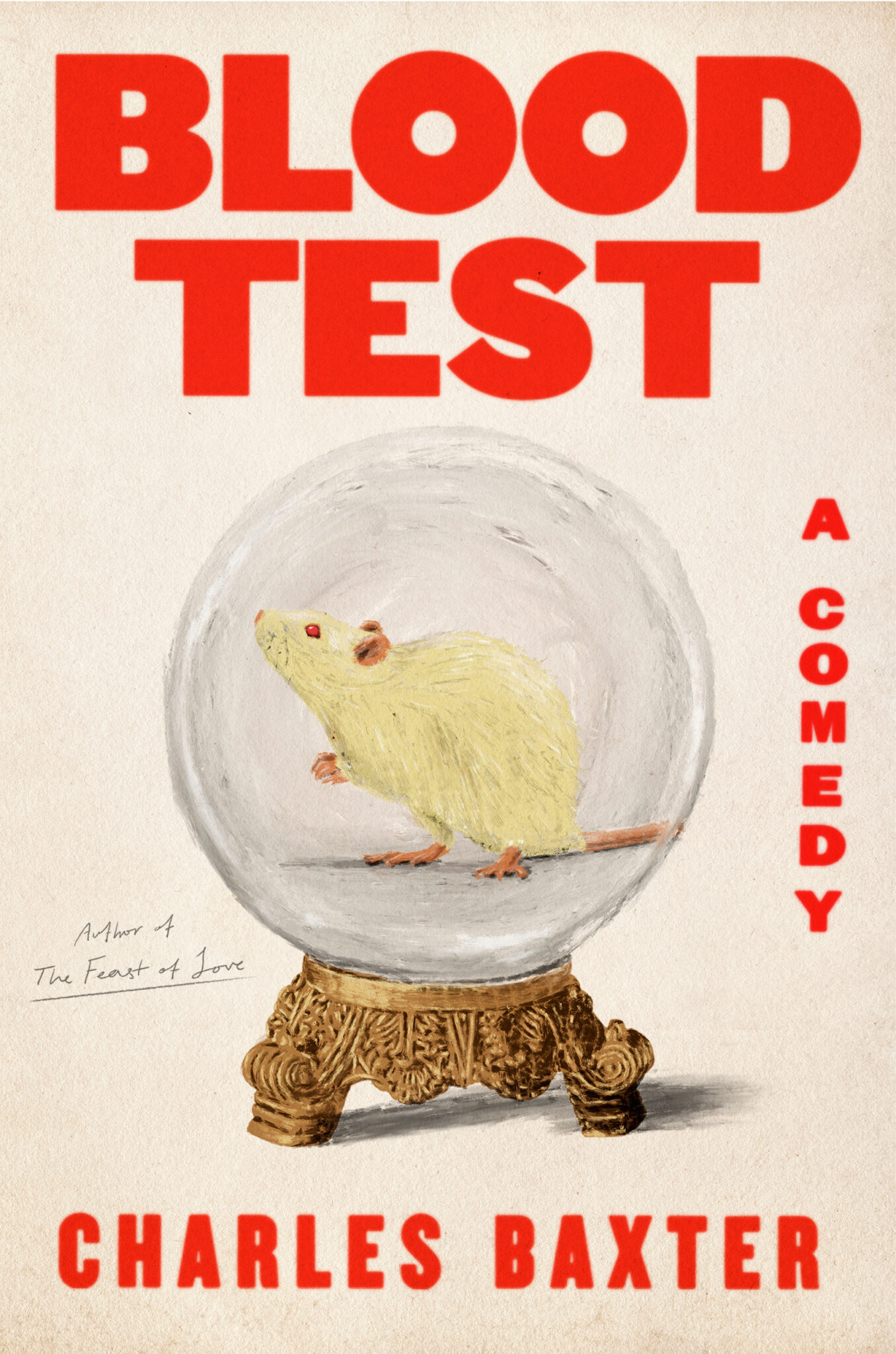 Another unique tale is found in “
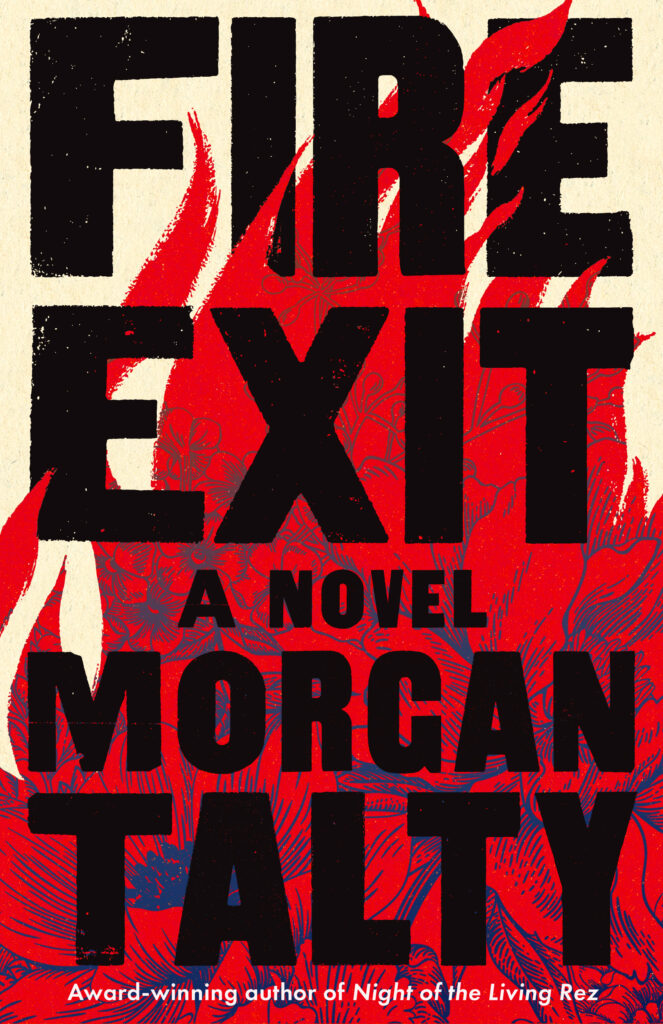 Questions of identity and family are explored more somberly in the heartbreaking “
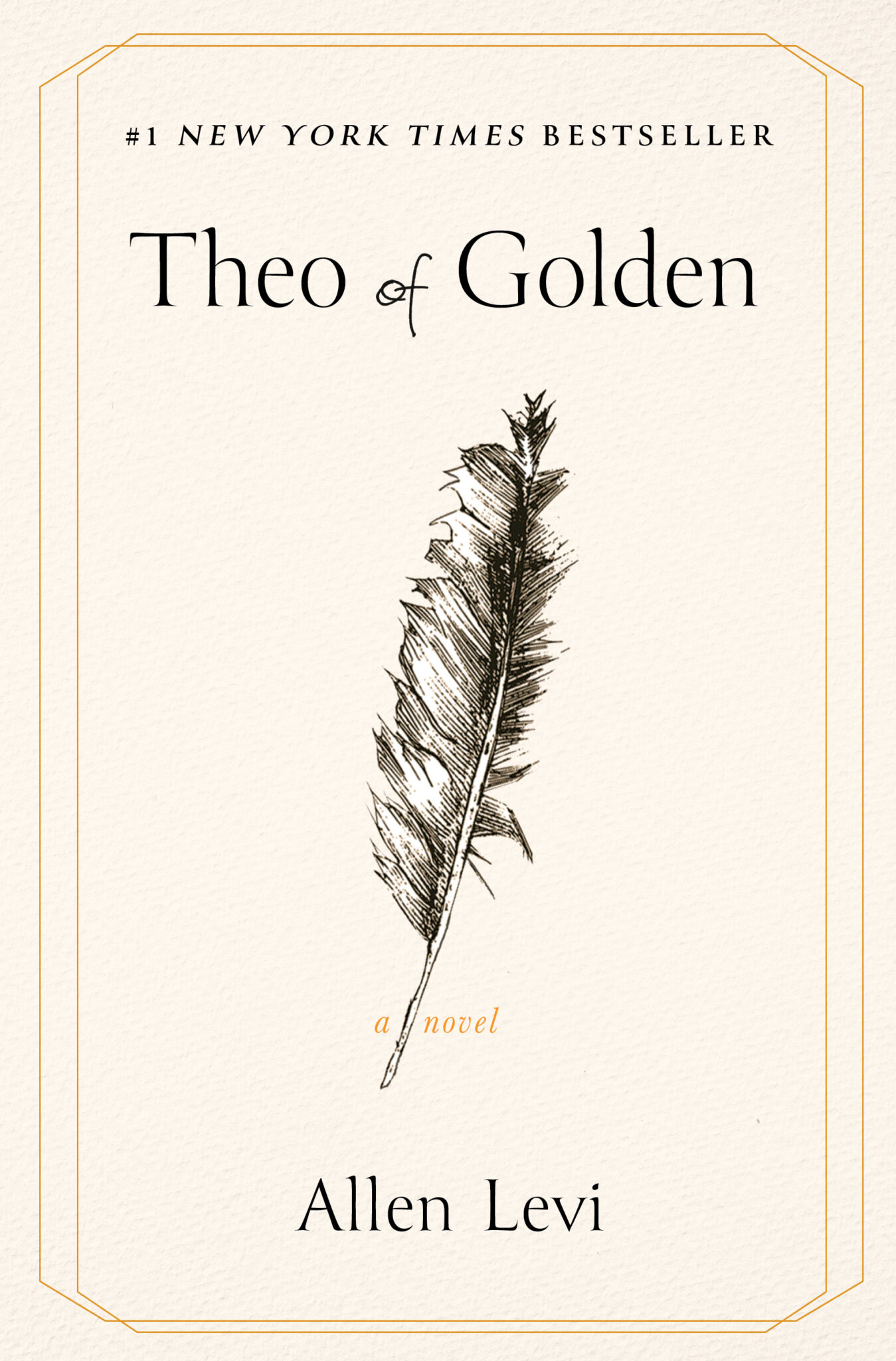 The feel-good “
 “
“ Sisters also feature in our last One Read candidate, J. Ryan Stradal’s good-hearted “