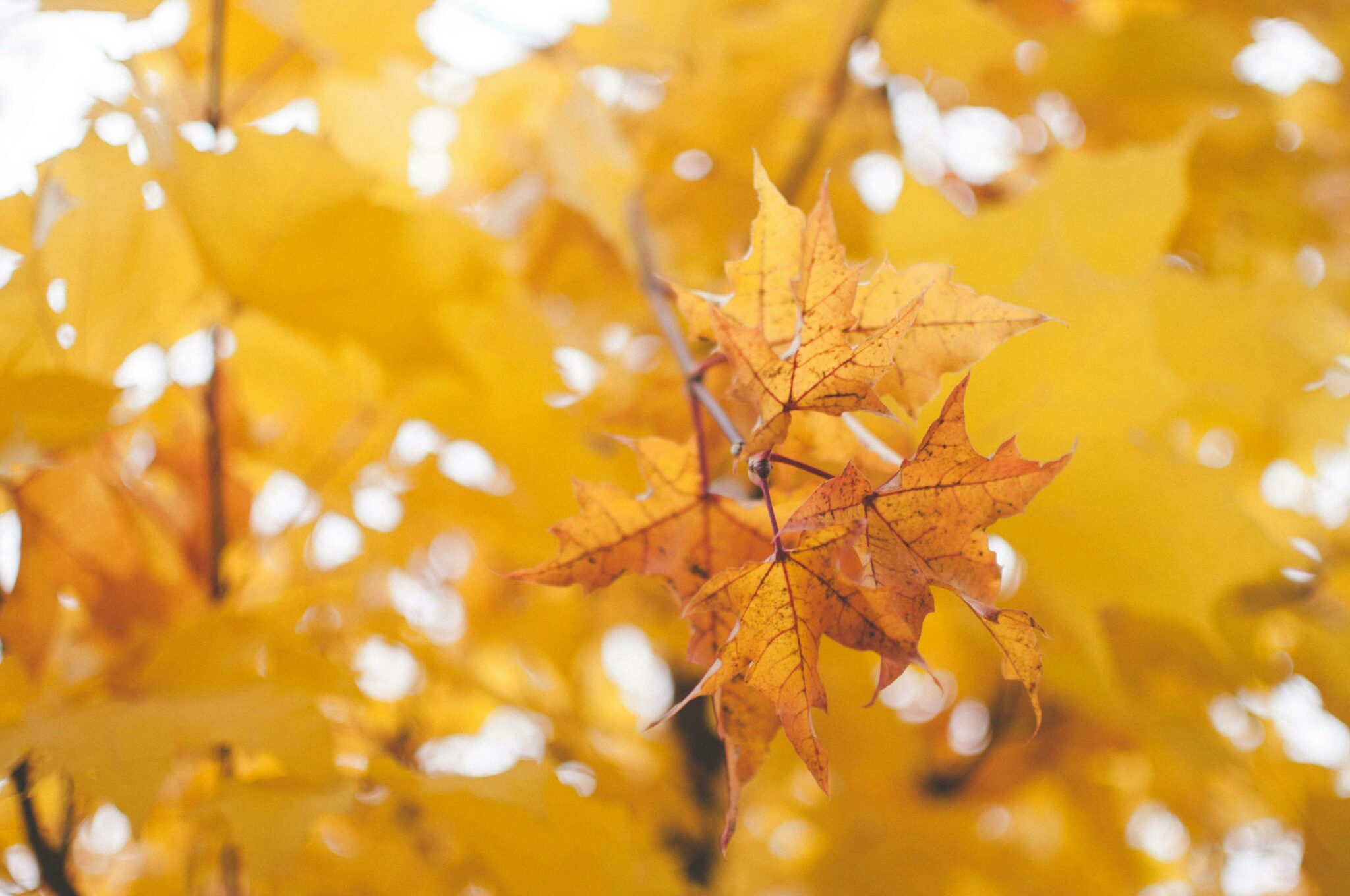
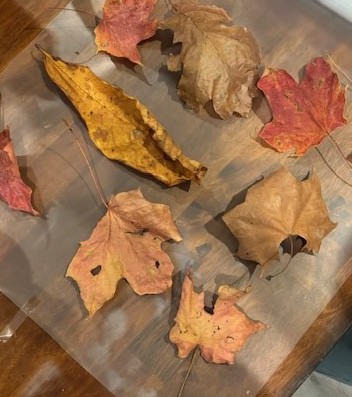
 My family went out to the trails one fall morning to collect colorful leaves and we were not disappointed. We were greeted with a falling rainbow of reds, oranges and yellows. After hiking for about an hour, we collected about a bag full of leaves and brought them home. A day later we gathered our supplies, listed below, and got to work on making an autumn leaf suncatcher.
Before the snowy winter days keep you inside, go for a nature walk. Head out to your own backyard, or take a walk on one of Columbia’s trails. Find your favorite leaves that you would like to use for your own suncatcher.
Tip for collecting: Ensure the leaves are not wet but not brittle. You will want to be able to stick to the contact paper but also not crumble once you pick them up.
🍁🍂Items to make Suncatcher: 🍁🍂
- Contact paper
- Leaves
- Scissors
- Construction Paper/Popsicle Sticks/Paper Plates (for frame making) -Optional
- Glue or tape (for frame making) – optional
🍁🍂The Process:🍁🍂
Tip from Experience: I recommend completing this craft the same day as we waited a day and our leaves dried out and became almost TOO crunchy.
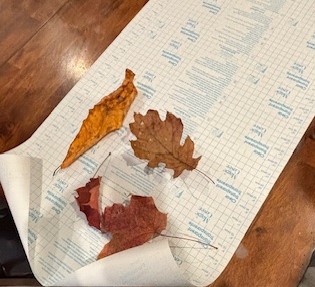
Step 1: Roll out the contact paper. Peel apart the backing.
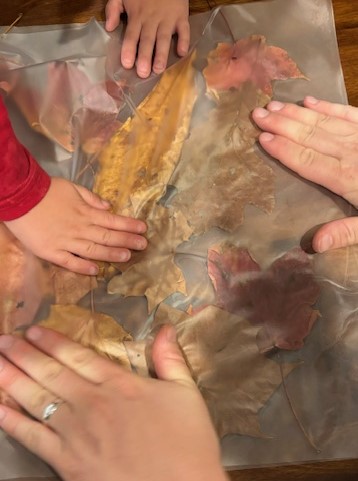
Step 2: Arrange your leaves. Press the leaves into the contact paper.
Step 3: Cover the top with the second sheet of contact paper. Press along the sides of the leaves.
Step 3: Trim the edges (optional). You can make a fun shape or leave it as is.
Step 4: If you don’t want a frame — it’s complete! Hang up your beautiful creation in a window. Sunlight will make your suncatcher shine! If you’d like to add a bonus frame, read on below.
🍁🍂Creating a Frame:🍁🍂
Creating a frame for your sun catcher is optional, but it is a fun way to add flair to your craft. Construction paper, paper plates and popsicle sticks make wonderful frames for your sun catcher. You can add buttons, feathers and acorns to your frame as well. The choice is yours!
We decided to use construction paper for our craft. We cut strips of paper and taped two ends together to make sure we covered all the sides. We taped them to the contact paper and it was complete. We put our creation in the window and marveled at the gleaming light!
Other Options: If you know you want a frame at the start of your project, you may decide to create the frame first. This could make it easier to secure your contact paper. I think next year our family will try this method instead!
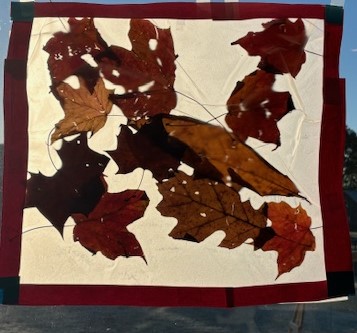
The creativity is endless with sun catchers. There is no wrong way to do it. Watch your littles take the lead and see what your own family makes. When you are finished, hang up your suncatchers and watch the sunlight make your suncatcher shine!
If you’d like to make more suncatchers read here for ideas!