When I saw this book, “Parks and Recreation, The Official Cookbook,” I knew I had to read and review it.

Disclaimer:
I absolutely LOVE the show “Parks and Recreation,” so take my impending gushing with a grain of salgur.
First, a bit about the author, Jenn Fujikawa. She is “an author and content creator specializing in lifestyle and pop culture.” She has her own cooking blog and her recipes have been featured in numerous places, including Food & Wine magazine. Currently, we have one other of her cookbooks. Continue reading “Read the Recipe! Literally My New Favorite Cookbook”
 This holiday season marks the first time since Covid that I have returned home to see my family: my mother, my siblings and their families, and my son and his family. I love them dearly but I’m not going to lie — there’s a small amount of anxiety from having been gone so long. My mother is 86 and not in the greatest of health, which is one of the reasons we have stayed away. But, as much as I long to be there, it’s always difficult to go home again; there are always so many changes and the altered terrain unbalances me. And whether it’s parenting styles, religion, politics or good old-fashioned sibling rivalry and the fact that I moved away, there’s always a potential for friction. As usual, I seek comfort and support from books.
I have gathered a short stack of books with the theme of going home. Many of these have lingered on my to-read list for quite some time. Continue reading “Going Home”
Mythology has always held a certain fascination for me. It began with tales of the Greek gods, and, then, as I got older, I discovered a wealth of world mythologies and folklore. In the past few years, retellings have become increasingly popular. Some authors retell a particular tale and others craft worlds based on characters or creatures pulled from myth. And I am here for it!
In my experience, retellings are more enjoyable if I understand the winks and nods given to the original stories they’re pulling from. So in addition to retellings, I’ve offered a few recommendations for reading up on the original myths, too.
 To start us off with Greek mythology, Edith Hamilton’s “Mythology: Timeless Tales of Gods and Heroes” is a classic when it comes to revealing the foibles of the gods and the humans and heroes who tangled with them. I highly recommend the 75th anniversary edition, which is illustrated by Jim Tierney. The book was originally published in 1942. A more modern retelling of these same myths can be found in Stephen Fry’s “Mythos,” which is followed by other books in the series focusing on different aspects of Greek mythology.
Continue reading “Literary Links: Myths Retold”

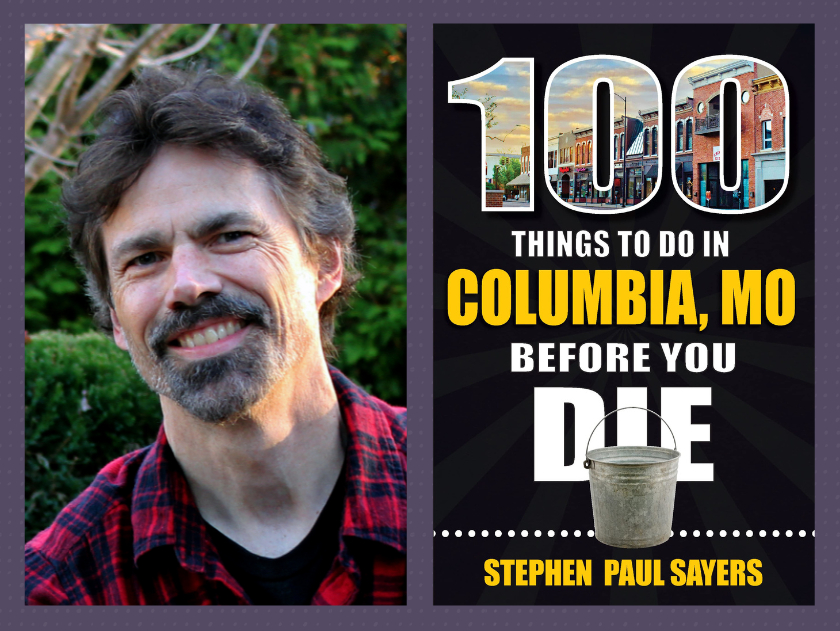
Stephen Paul Sayers is a Columbia, MO author whose latest book is “.” The book explores the city’s hidden treasures with seasonal and themed itineraries for music, art, and history lovers, shoppers, and outdoor enthusiasts. Sayers is a professor at the University of Missouri and has also published three best-selling horror/supernatural thriller novels. He was kind enough to take the time to be interviewed via email. Continue reading “Q&A With Stephen Paul Sayers, Author of “100 Things To Do in Columbia, MO Before You Die””
Below I’m highlighting some nonfiction books coming out in December. All of the mentioned titles are available to put on hold in our catalog and will also be made available via the library’s Overdrive website on the day of publication in eBook and downloadable audiobook format (as available). For a more extensive list of new nonfiction books coming out this month, check our online catalog. Continue reading “Nonfiction Roundup: December 2022”
Hey, there, true believers! Welcome back to another installment! For this “issue” of Quintessential Comics, we’re going to take a look at a few of the series that are currently trending due to either current or upcoming project releases! If you’re a fan of “She-Hulk,” “Sandman,” or “House of the Dragon,” stay tuned! Continue reading “Quintessential Comics: What’s Trending?”
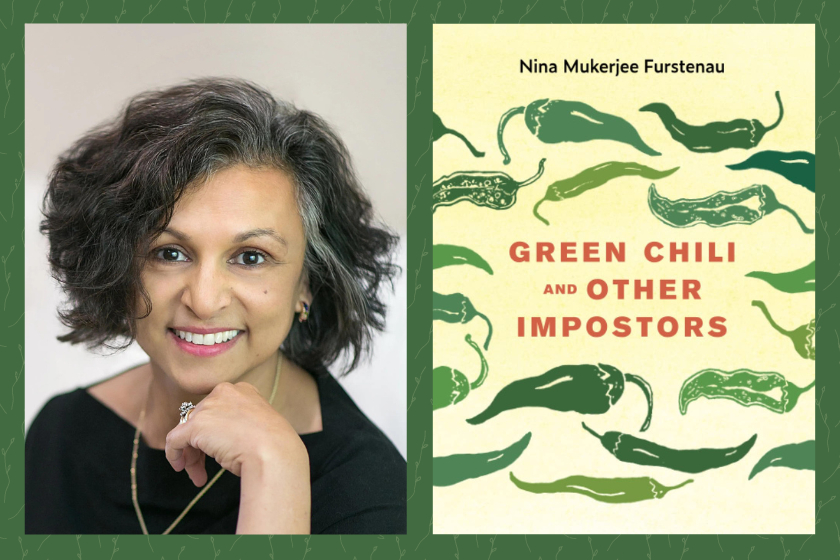
Nina Mukerjee Furstenau is a Columbia, MO author whose latest book is “Green Chili and Other Impostors.” The book focuses on food stories within the Indian subcontinent, but also mixes in memoir, travelogue, and history, with several recipes included throughout. Furstenau is a journalist, author, and editor of the FoodStory book series for the University of Iowa Press. Other published works include “Biting Through the Skin,” “Tasty! Mozambique,” “Savor Missouri” and numerous stories and essays for newspapers and magazines. Nina was kind enough to take the time to be interviewed via email. Continue reading “Q&A With Nina Mukerjee Furstenau, Author of “Green Chili & Other Impostors””
November is Native American Heritage Month, as declared by President George H. W. Bush on August 3, 1990. We join in paying tribute to the rich ancestry and traditions of Native Americans. The national events began with a YouTube presentation by Joy Harjo, the first Native American U.S. poet laureate, who joined Deb Haaland, the first Native American cabinet secretary, in a conversation with Librarian of Congress Carla Hayden on November 1. Continue reading “Literary Links: Giving Thanks for Native American Heritage Month”
The Daniel Boone Regional Library vision statement begins, “DBRL strives to be at the heart of the community…” Public libraries are so much more than a place to store books, and one of the most important things they do is to help build community. In our library, we work toward this in many ways.
Libraries are some of the few public venues where you don’t have to spend money to spend time. We provide meeting spaces for local groups. We promote civic engagement by supplying voter registration forms, hosting election forums, and serving as a polling location on Election Day. A wide variety of programs bring together community members from all backgrounds, ages, living situations and abilities. We also serve active online communities through social media pages, such as the Read Harder Challenge Discussion Group on Facebook. Continue reading “The Importance of Community”
While many adults look at babies and understandably, given the convenience of diapers and the plentiful milk, envy their lifestyle, I think back to the frustrations of being unable to make larger, older humans understand me and also how uncomfortable it is to be trapped in a garment filled with waste, and so must declare, despite all the free milk, that I much prefer not being a baby. Sure, adults underuse mobiles and are rarely praised for properly using a toilet, but at least we have the agency to choose to diminish the joy in our lives by not hanging mobiles above our sleep stations, and there is nothing stopping us from asking our families and trusted colleagues to appreciate our toilet expertise. Continue reading “The Gentleman Recommends: Louise Glück”