
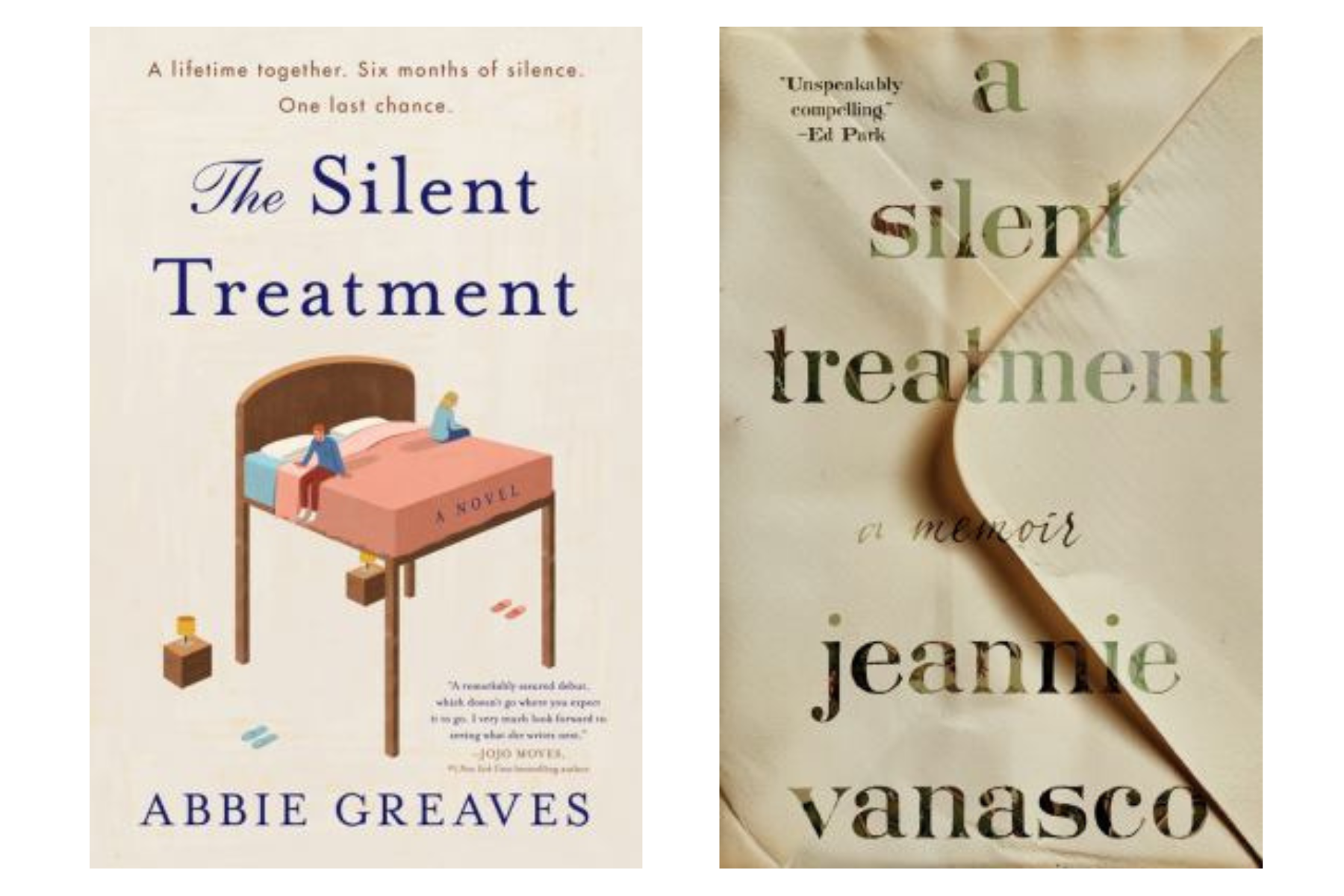
A few weeks ago I accidentally carted home two books titled “Silent Treatment” by two different authors, the result of my unintentionally placing both copies on hold. This pleasant mistake (I sped through both books) left me considering various types of silence, some of which can be extremely beautiful, while others can be absolutely toxic, with plenty of nuances in between.
One awe-filled type of silence is that found in nature, which is not truly soundless, as anyone who has ever hiked through a scruffy forest or wandered along a driftwood-covered waterfront recognizes. One of my favorite nature books is “Vesper Flights,” a magnificent collection of essays. Here author Helen Macdonald touches on searching, observing and remembering, while she seeks out vanishing orioles and migrating songbirds, along with a host of other living beings. Her voice celebrates wonder while it also expresses concern for our world in the face of climate shifts.
My latest recommended nature book shines as one of the most lovely books that I have read in quite a while: “Raising Hare” by Chloe Dalton. During the pandemic, a Londoner-turned-countryside-dweller rescues a newborn hare, also called a leveret. What follows is a tender tale of a uniquely special human/wild animal connection. Along the way, Dalton shares historical and mythological legends about hares, as well as describing her property adjustments to improve local wildlife habitat. I learned that leverets and their American kin do emit soft sounds that only rise to a shriek when in pain or in fear. Mark your calendars: we are looking forward to discussing this book at the Columbia Public Library on May 7 at our First Thursday Book Discussion gathering.
In contrast to these quiet encounters with nature, the two “Silent Treatment” books that I originally checked out illustrate how silence can be an expression of devastating estrangement, whether through grief or manipulation. “The Silent Treatment” by Abbie Greaves, for example, explores a mourning married couple who haven’t spoken to each other for six months. Each keeps a heartbreaking secret. Their situation comes to a head during a health crisis, and readers are permitted to experience both perspectives of a tragic story.
Meanwhile, the unusual memoir “A Silent Treatment” by Jeannie Vanasco describes the pain and loneliness that results when the author’s mother abruptly stops talking with her, sometimes for months, when they have minor disagreements or misunderstandings. As Vanasco writes about this fragile mother/daughter relationship, she contemplates the ambiguity as to whether her mother closes her off as deliberate control or as untreated mental illness.
A third form of silence can surface after experiencing horrific trauma, and both of the following examples emphasize that making art can be crucial in processing the trauma’s aftermath. For instance, the classic young adult book “Speak” by Laurie Halse Anderson powerfully portrays a victim’s near-silence after sexual assault. Alex Michaelides’ thriller “The Silent Patient” portrays another instance of silence emerging from trauma when famous painter Alicia shoots her fashion-photographer husband five times in the face and subsequently does not utter a word.
Finally, there’s the silence – at various levels – experienced in deafness. I loved the novel “True Biz” by Sara Nović, a story set at a residential school for the deaf that introduces characters handling sign language and lip-reading, cochlear implants and civil rights, isolation, injustice and much more.
I have added “Jellyfish Have No Ears” by Adèle Rosenfeld to my to-be-read list, and it sounds gorgeously insightful. Louise, completely deaf in one ear and partially deaf in the other, is faced with the option of receiving a cochlear implant. This novel considers the foundation and evolution of Louise’s identity, since her mind’s images represent sound, and such perceptions would dramatically shift with a cochlear implant.
I’ve offered four examples of instances where we can notice silence – nature, estrangement, trauma and deafness – and I can propose a few others that we could study as well, such as those found in space, selective-mutism and aesthetic silence in music or a film.
What types of silence might you consider reading about?