
Variety is the spice of life. Several people mentioned this when I told them my Literary Links topic. And this adage does hold true, of course. Can you imagine only listening to the same 10 songs for the rest of your life? A symphony with only trombones would not have the same depth of sound that a full orchestra could provide. Eating exclusively one food at every meal would not only be dull but would result in nutritional deficiency. There are endless examples of how a lack of variety would leave someone wanting. Variety is often required for balance, interest and health. This is true in many facets of life.
Let’s explore a few books on the topic!
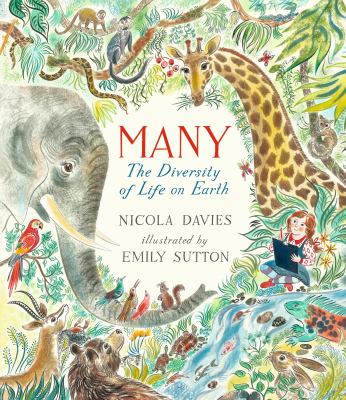 “Many: The Diversity of Life on Earth,” by Nicola Davies, is a children’s book that explains how millions of living creatures inhabit Earth and why their differences matter. Emily Sutton’s illustrations show how some creatures look the same, though they are actually quite different. The book touches on interdependence of species in an ecosystem and how humans have only discovered a fraction of the species that we know must exist. A beautiful spread of illustrations shows creatures from small to large that have all been discovered in the last fifty years. This is a great book to open children’s eyes to the wonderful biodiversity on our planet and why it is worth protecting.
In the biography “Soil: The Story of a Black Mother’s Garden,” by Camille T. Dungy, we learn about Camille’s home garden in a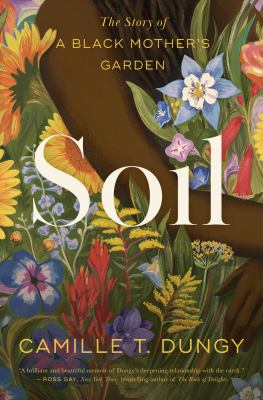 predominately white neighborhood in Colorado. Disregarding community restrictions on what could and could not be planted in residents’ yards, Camille planted a broad assortment of flowers, herbs, vegetables and plants. She uses her garden as a “metaphor for how homogeneity threatens the future of our planet, and why cultivating diverse and intersectional language in our national discourse about the environment is the best means of protecting it.”
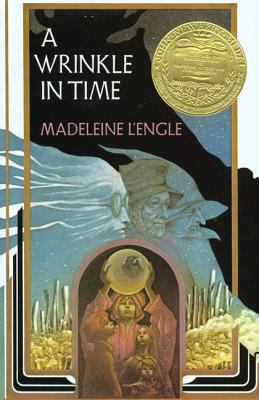 When describing her father’s reaction to similar neighborhood restrictions, Camille recalls the Madeleine L’Engle book “A Wrinkle in Time.” In L’Engle’s book, “an evil force called IT strove to make ‘everybody exactly alike.’ All the look-alike children in all the identical houses bounce their basketballs all at the same time,” which brought to mind the efforts of the council in her own neighborhood.
“A Different Kind of Power,” by Jacinda Ardern asks the questions, “What if we could redefine leadership? What if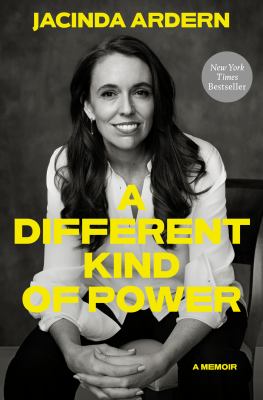 kindness came first?” Her story opens with Ardern wondering if she is about to become the leader of her country AND if she is pregnant with her first child. She became the world’s youngest female head of government at age 37. Her tenure as prime minister of New Zealand would prove no less dramatic than its beginning. She led her country through the aftermath of a mass shooting in Christchurch, resulting in the death of 51 people and a ban on military style semi-automatic weapons in New Zealand. Then, there was COVID-19. Her government responded to the challenge quickly and decisively, which resulted in some of the lowest death rates in the Western world. Her time as prime minister was not without criticism, of course, but her memoir offers perspective on the possibilities of leadership and what can be achieved when your priorities are kindness, empathy and solidarity.
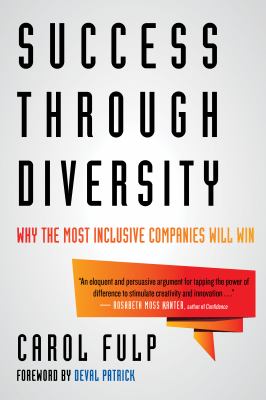 Differences can also be sought out in corporate culture. In the book “Success Through Diversity: Why the Most Inclusive Companies Will Win,” Carol Fulp discusses ways in which diversity in a business, from the bottom of the corporate ladder up, makes the company relevant to a broader audience. “Through many case histories, Fulp demonstrates that when companies embrace diversity, they build a stronger brand and stay in better touch with their consumer markets,” says Booklist.
Because talent and skill exists in people from different generations, companies thrive when they focus on these qualities, rather than age,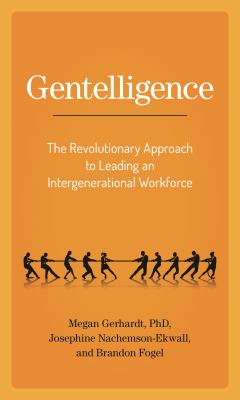 when hiring. “Gentelligence: The Revolutionary Approach to Leading an Intergenerational Workforce,” by Megan W. Gerhardt, extolls the advantages of building a workplace culture where people of different ages work together harmoniously while using their diverse strengths.
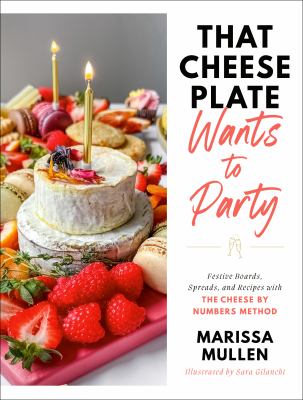 Finishing on a fun note, we have “That Cheese Plate Wants to Party: Festive Boards, Spreads, and Recipes With the Cheese by Numbers Method,” by Marissa Mullen. This book features forty cheese board combinations, party themes, decorating ideas, drink inspiration, music pairings and more! That’s quite a variety!
Hopefully, you will find plenty of informative options in the library on the topics of variety, difference and diversity.