
 No matter your pace or path, the library offers companions for the journey. A 19th-century naturalist and a contemporary R&B artist gave shape to my recent trip and softened the landing. Which writers help you light the way?
I board the plane with a book and an album: “The Journal, 1837-1861” by Henry David Thoreau and “Chilombo” by Jhené Aiko. Maybe the artists will have something to say to each other — Thoreau with his call to “throw away a whole day for a single expansion, a single inspiration of air” (Aug. 21, 1851); Aiko with her invitation to “rest your weary heart / dry your teary eyes” (“Born Tired”). Maybe somewhere between cities I will catch my breath.
“Chilombo” is a breakup album, but I’ve never liked that word. Sometimes termination tells the truer story: A train reaches the terminal and two travelers disembark. (Maybe one catches the next train while the other lingers at the station.) But in interviews about “Chilombo,” Aiko invokes a more heated image: “I am like a volcano, and this album is an eruption.” Her heartbreak is seismic — while I haunt the terminal, Aiko goes molten. Track two reaches a menacing refrain: “You need to stay out of my way” (“Triggered”).
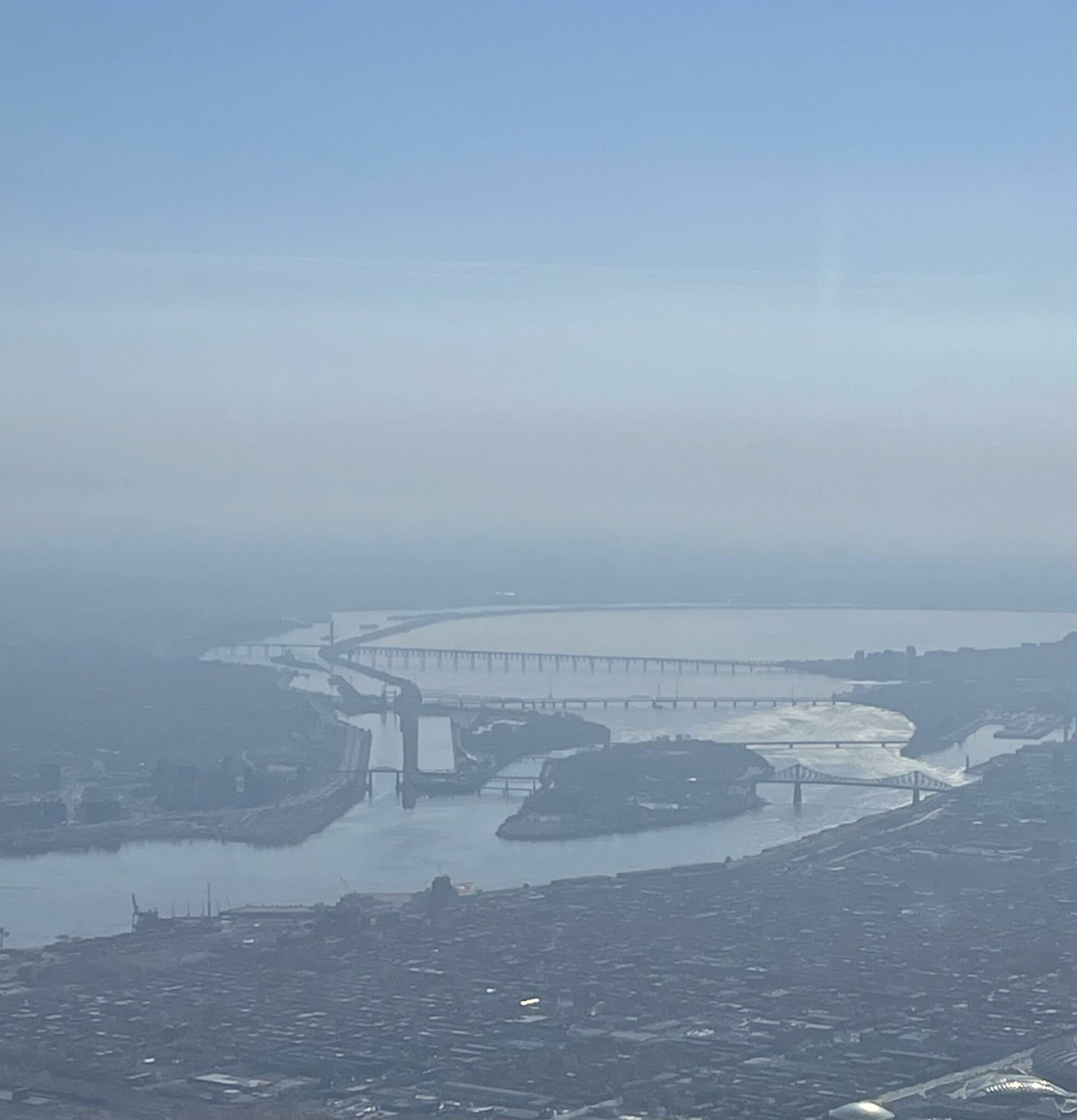
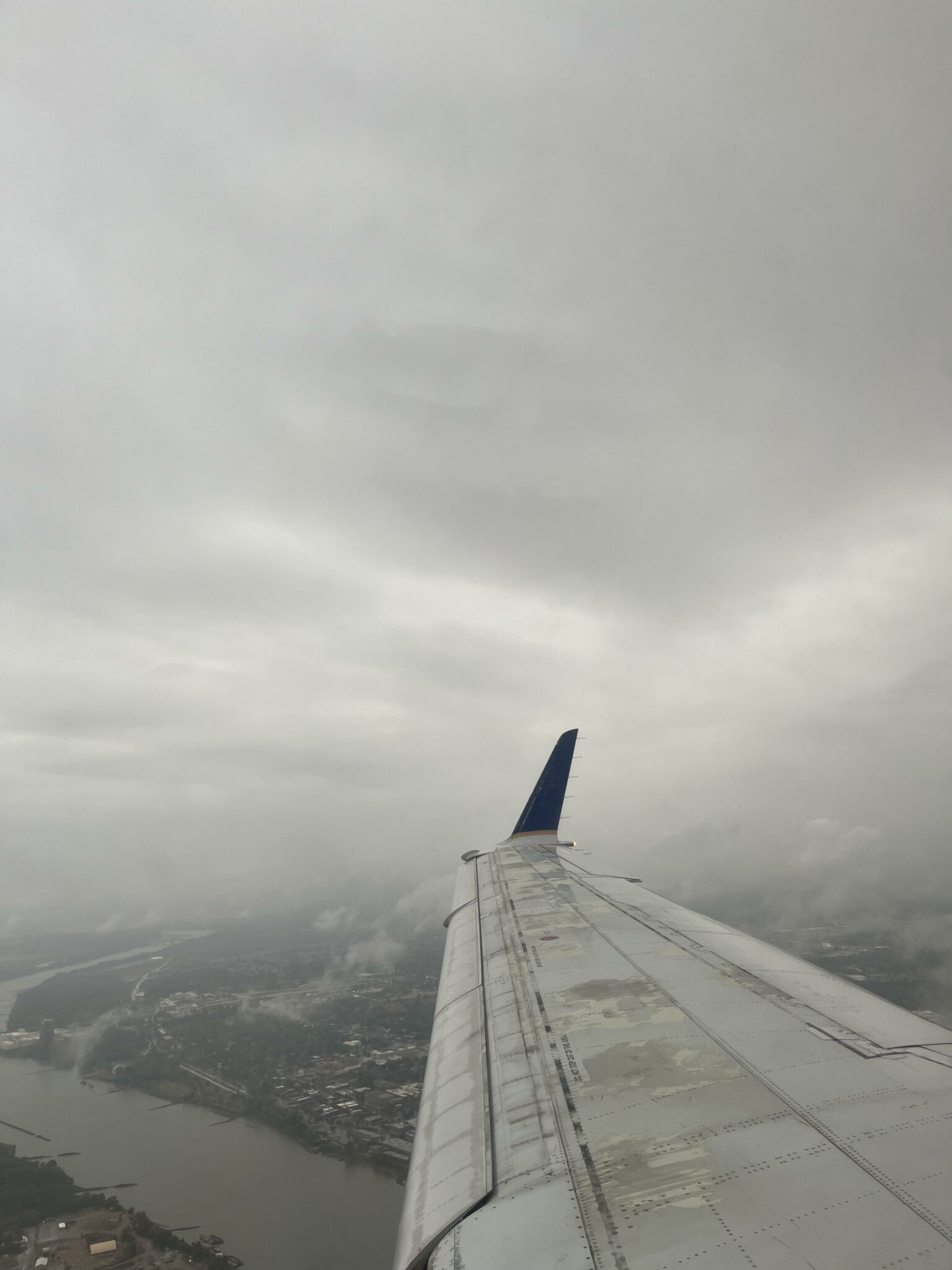 The metaphor fits, considering the songs were recorded in Hawaiʻi — home to five active volcanoes and itself borne from magma that made mountains under the sea. Within such a landscape I might feel fiery, too. But presently the heart mirrors the body’s position: suspended, estranged, traveling. I appreciate Aiko’s willingness to be weathered; to “take some rain with my sunshine” (“Summer 2020”). Outside the airplane window, though, there is only gray that never ends.
“The traveller’s is but a barren and comfortless condition,” Thoreau wrote on Nov. 12, 1853. “I have been nailed down to this my native region so long and steadily, and made to study and love this spot of earth more and more. What would signify in comparison a thin and diffused love and knowledge of the whole earth instead, got by wandering?”
Within this passage I recognize a familiar teaching — Oren Jay Sofer dedicates a chapter of his patient, uplifting book “Your Heart Was Made for This” to renunciation, a practice which “fulfills us through contentment rather than accumulation.” To renounce is to turn away; deepening one point of contact with the human experience rather than sending scattered signals.
On the plane, I begin to heal my fractured attention: slide the window shut, turn down the music, focus on the page. “When I select one here and another there, and strive to join sundered thoughts, I make but a partial heap after all,” Thoreau wrote. “Sometimes a single and casual thought rises naturally and inevitably with a queenly majesty and escort, like the stars in the east” (Feb. 6, 1841). Such faith in the mind’s rhythms and resources! How lovely to consider the flow of thought as a tidal wave, obeying some celestial attraction.
If “Chilombo” is fire, Thoreau is water. Aiko sings of a “beast awoken” (“Lotus”), warning that “right now / don’t know what I’m capable of” (“Triggered”) while Thoreau meditates on his elemental relationship to lakes and rivers: “I am conscious that my body derives its genesis from their waters…Across the surface of every lake there sweeps a hushed music.”
This last line, written Dec. 2, 1840, appears to me like a dream: music as a low, luminous fog, cast lightly across rippling waters (a vision that carries me into sleep, and the next city).
⚬──────────✧──────────⚬
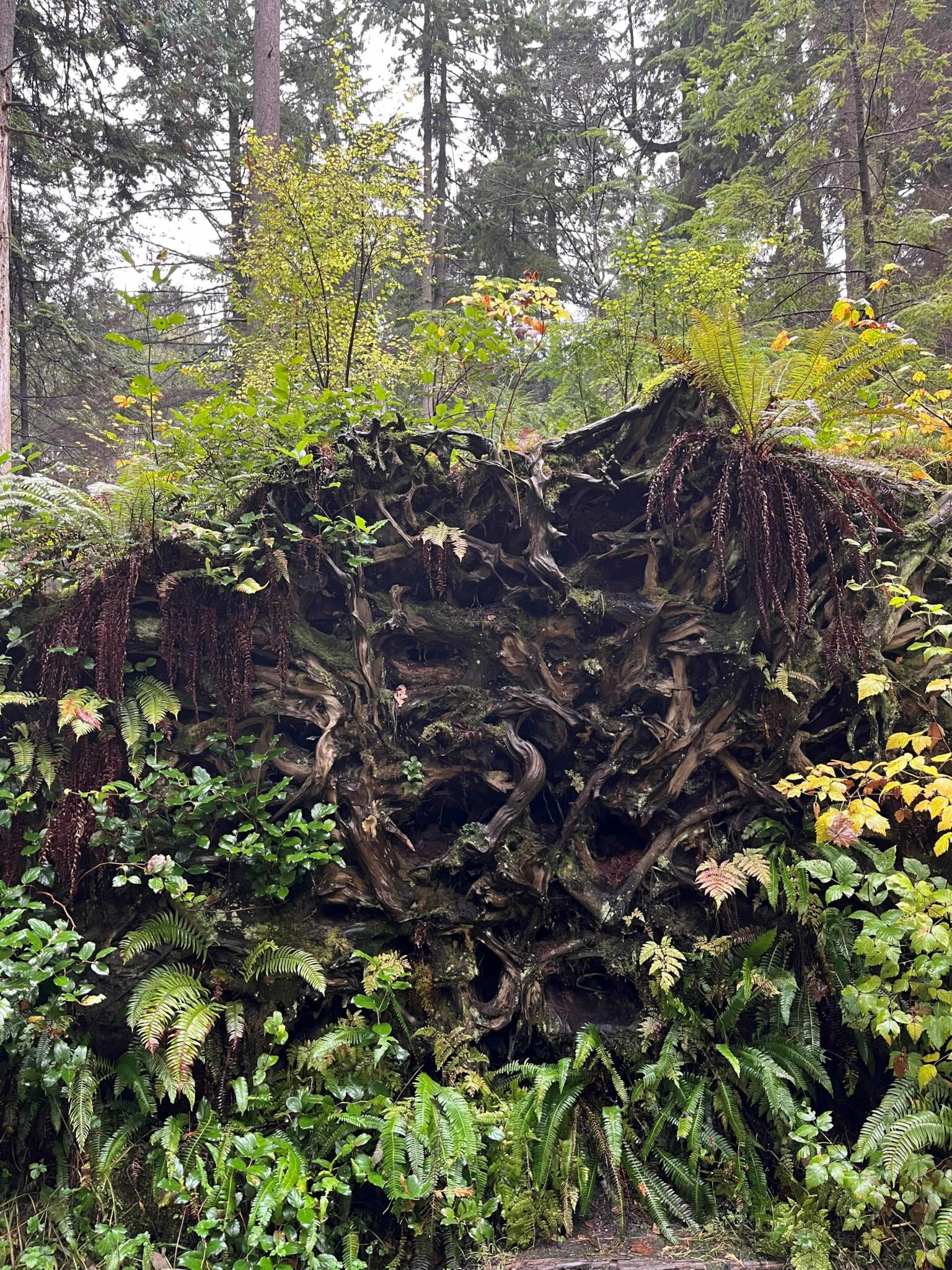 It is a gift to land somewhere so beautiful. The next day my mom picks a park to visit; we ride the right bus to the wrong stop and find a trail to cover the difference. The path is lined with ancient trees, some long-felled by forces unimaginable to me, their dead roots draped in rich greenery.
Oct. 24, 1837. Every part of nature teaches that the passing away of one life is the making room for another. The oak dies down to the ground, leaving within its rind a rich virgin mould, which will impart a vigorous life to an infant forest… So this constant abrasion and decay makes the soil of my future growth. As I live now so shall I reap.
The forest sings but “Chilombo” is not finished with me yet, so I tune back into the album. My mom and brother share a brisker rhythm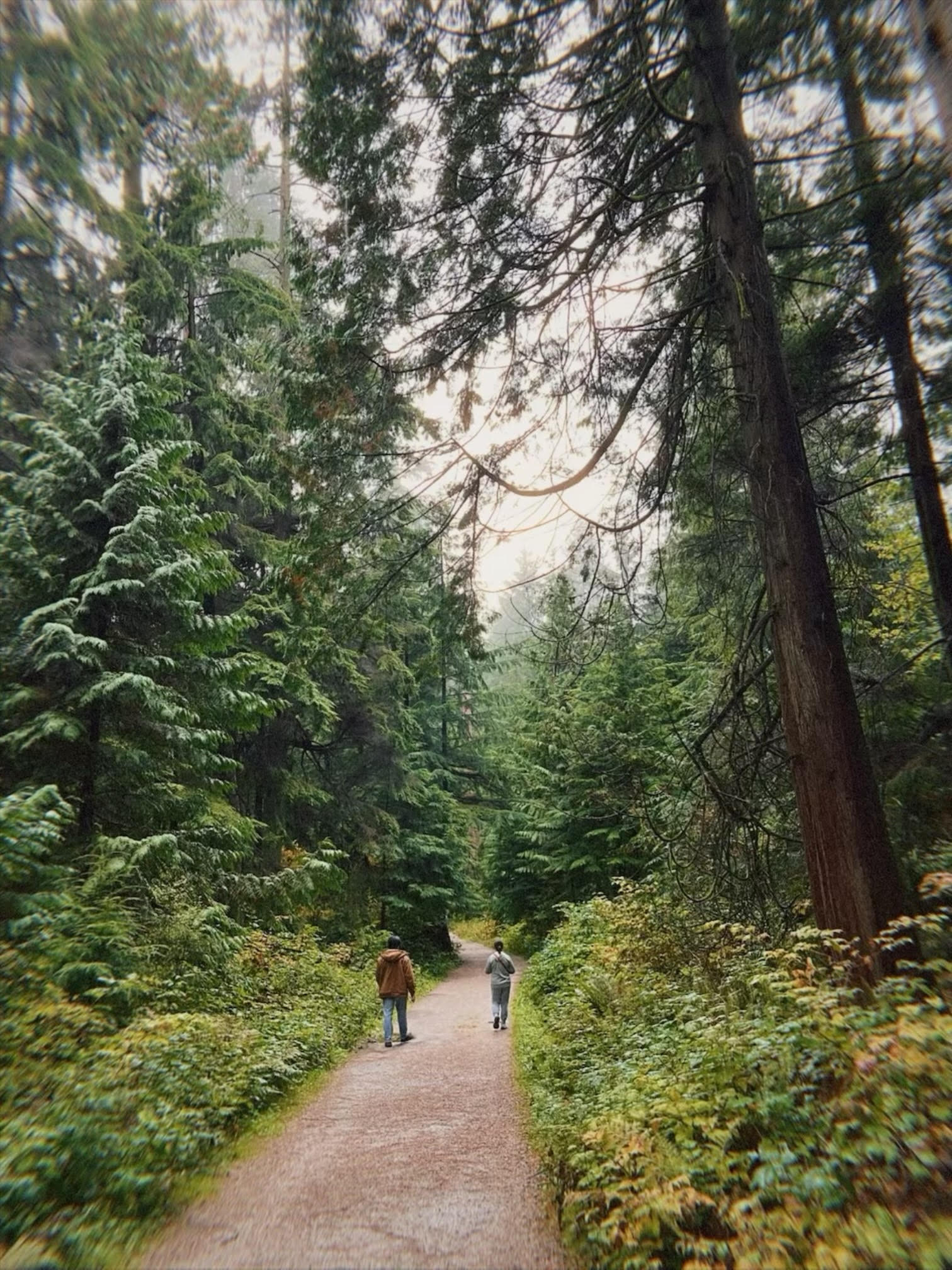 while my steps fall into Aiko’s offbeat affirmations — “I’m feeling strangely sane today…I rearranged my brain today” (“One Way St.”) — then stall out at her sudden resignation: “Melancholy, mediocre mess / Maybe I should just give it a rest now.”
By the end of the song Aiko has circled back to a softer place, her doubt threaded with wonder: “Who’s to say which way is the wrong way?” I am surprised by the mellowing tone, then I remember even lava cools.
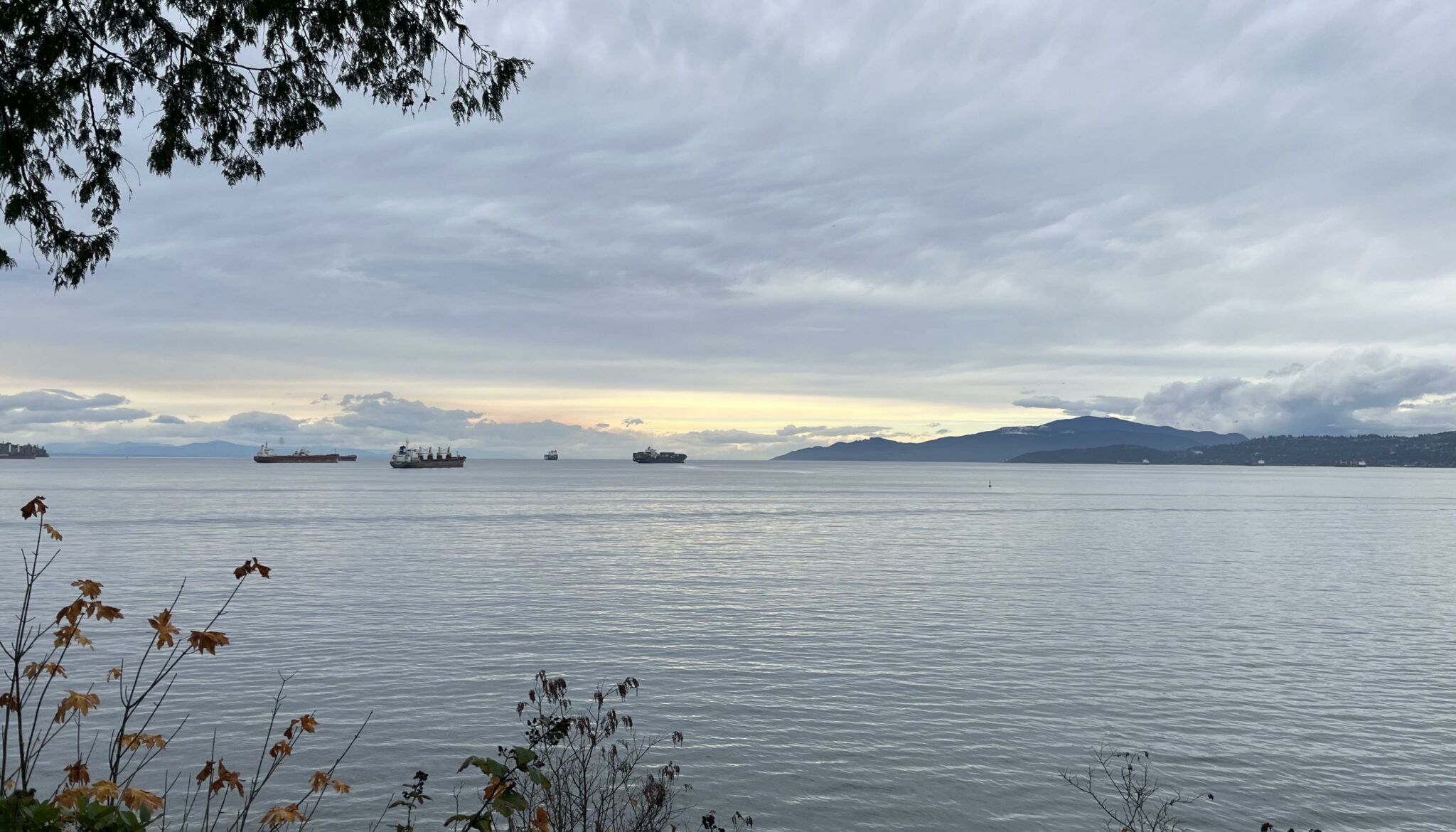
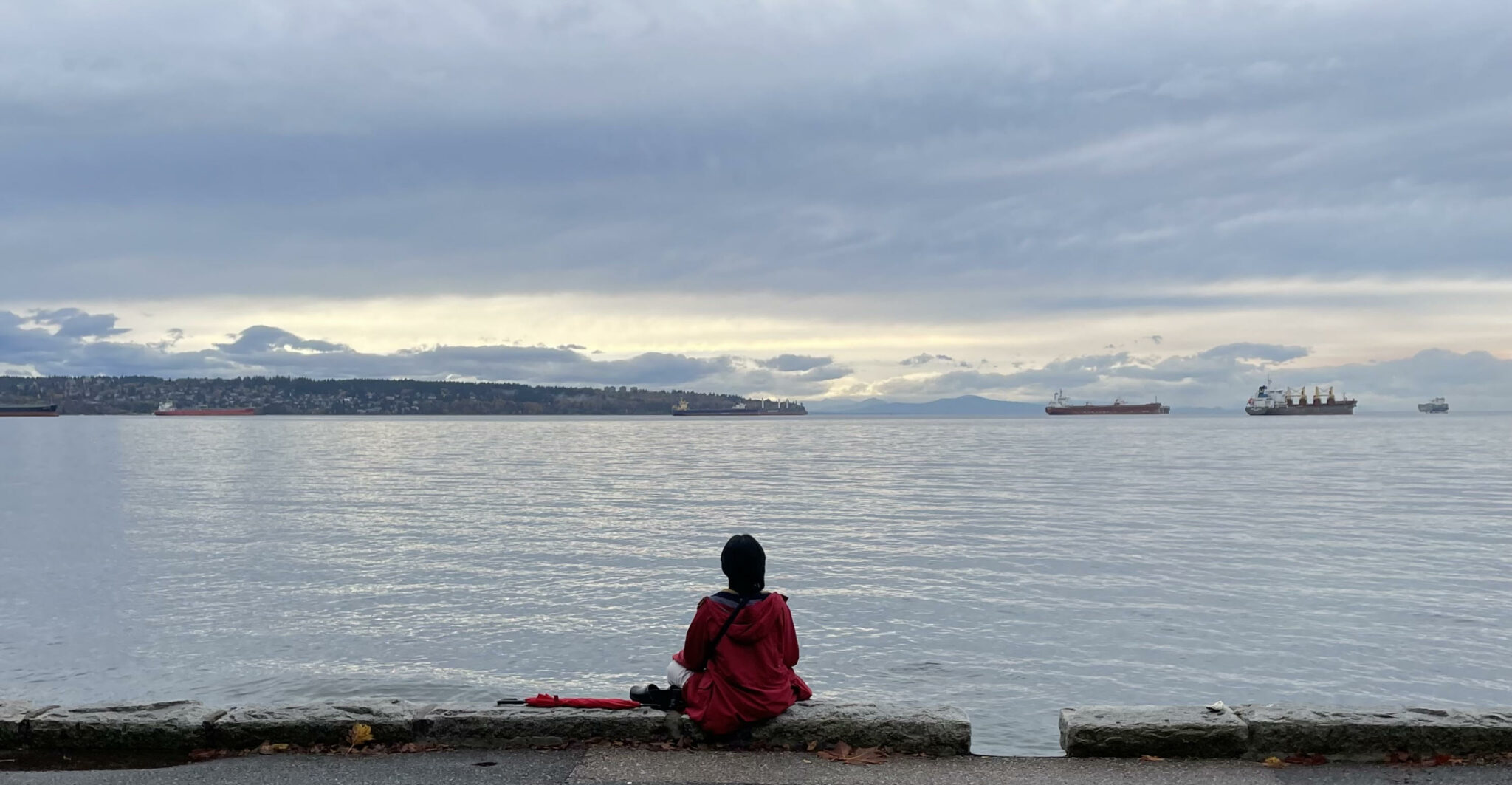
I find the rest of my family at the waterfront park. Our disparate rhythms come to rest before a silver-blue view that rinses the mind (across the surface, a hushed music).
⚬──────────✧──────────⚬
There’s a lava flow with all these songs where it’s a free-flowing jam session. And then it settled — and it became this beautiful land where there’s new life. –Jhené Aiko, Feb. 28, 2020
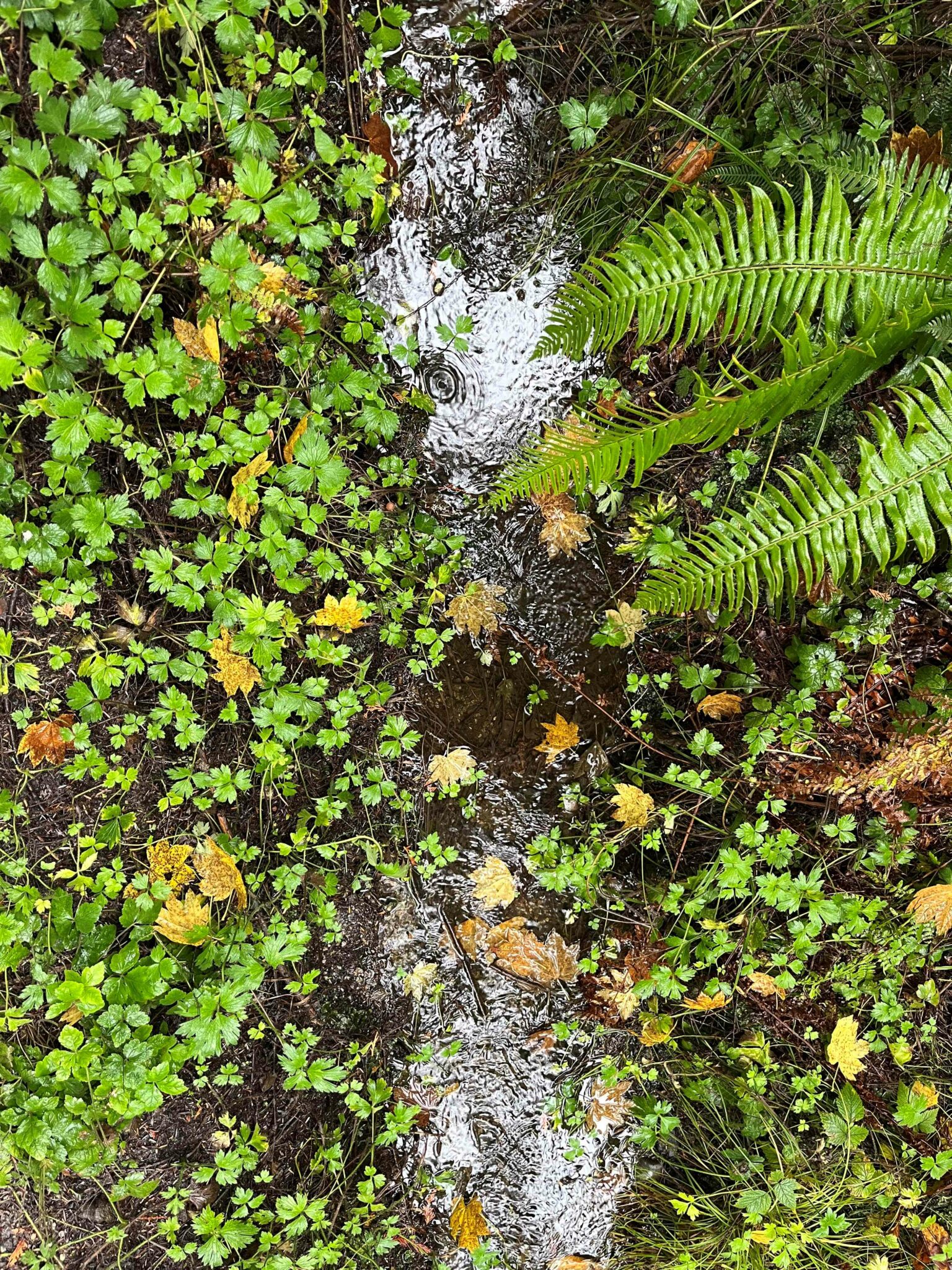
Aiko and Thoreau work with different elements but share an interest in how these materials flow. “The hardest material obeys the same law with the most fluid,” Thoreau wrote on July 25, 1838. “Trees are but rivers of sap…And in the heavens there are rivers of stars and milky ways…And thoughts flow and circulate, and seasons lapse as tributaries of the current year.”
But what is fluid about a breakup? Thoreau’s theory of fluidity does not account for the shattering and degradation of love; the silence between two people who previously shared a sweet music. Where does it all go? The journal offers no answers, but a way through: “There is no remedy for love but to love more” (July 25, 1838).

Maybe the conversation between two loving souls never really ends, but runs underground or parallel, two streams of some distant source. Even after the eruption, past currents still flow through Aiko’s story — “There’s not a doubt inside my mind / That you’re still here” (“Summer 2020”) — yet she yields to the altered flow, eventually following it somewhere new: “I swear I tried to stick by you / But time blew me by” (“Magic Hour”).
I board the flight home with the same album and journal, but their dialogue has expanded: Here flows the lava of “Chilombo,” there runs Thoreau’s rivers of sap, stars, seasons. And finally I feel the formation of something solid at the edges, an inner resource that steadies and absorbs — something Oren Jay Sofer calls patience: “Just as the shore surrounds the water, patience holds the tumult…in a wide, open embrace” (“Your Heart Was Made for This”).
It’s been a brief journey when all is said and done; a neat round trip through the air but something stranger for the heart — it would feel untrue to say I ended up where I began.
My sister catches a different flight home so she has time to send us off. A quieting embrace like only an older sister can give, then the first step onto the glass jet bridge as sunrise streams through. The terminal is stocked with tiny comforts — coffee, cushioned seats, mementos bearing the names of where we have been — but it is finally time to leave. The heart rests on a cloud of memories; the engine roars deep. I am astonished each time this happens (this return to blue sky, never-ending winged symphony).
I am like a feather floating in the atmosphere; on every side is depth unfathomable (Feb. 21, 1842).
A traveller is to be reverenced as such. His profession is the best symbol of our life. Going from — toward —; it is the history of every one of us (July 2, 1851).
-Karena