
“I keep putting off beginning this journal because the things I must write, must admit by writing them, are hard, even threatening to me,” Alice Walker wrote on July 8, 1977. “But, to begin.”
This confession came from a courageous young woman, already an established writer and activist. Yet putting pen to paper still stirred fear in Walker, a diarist familiar with that strange truth — that the hardest conversations to start are often the ones within ourselves.
As you begin the journey through this new year, I hope the conversation between your heart and the page feels lively, honest and hopeful. Here are seven titles exploring the tender art and practice of journaling.
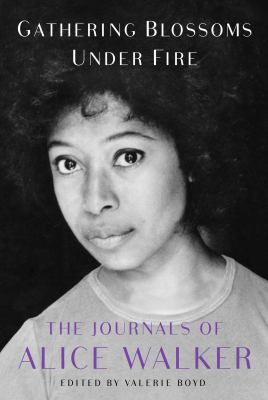
“Gathering Blossoms Under Fire,” a compilation of Walker’s journals from the storied decades between 1965 and 2000, is a soulful and steady record of the writer’s journeys in love, identity, academia and activism. I was moved by the mundane moments — even the greats among us must self-prescribe remedies to get through the day: “Meditation, lots of sleep, good eating are in order — along with vitamins, work and reading.”
Walker journals deeply about parenthood, a central theme in “Ongoingness: The End of a Diary” by Sarah Manguso. But while Walker stays in motion, noting the best times of day to work and write while raising a child, Manguso surrenders.
“Ongoingness” begins with Manguso’s commitment to journaling — a way to avoid getting “lost in time” — and blooms into a new promise, not against time but in harmony with it: “I became the baby’s continuity, a background of ongoing time for him to live against.” This book is a balm for anyone who fears forgetting; who is learning to hold moments more gently.
Still, some stories demand to be recorded. “Pathemata, Or, The Story of My Mouth” by Maggie Nelson originates from Nelson’s effort to document her own pain. The doctors don’t give much weight to Nelson’s findings about her chronic jaw pain, prescribing ill-fitting treatments and leaving her to flounder in the body’s mysteries.
Like Manguso, Nelson finds a way forward despite profound interruptions. “All this time, and I was still alive,” she writes, a realization reminiscent of Walker’s musings: “Can it be, I am a human being again!” These journals become sites of continuous healing, where the writer returns back to the self.
In “A Prayer Journal” by Flannery O’Connor, the young writer tends to a spiritual ache rather than a bodily one. While Nelson’s exploration of suffering progresses patiently and analytically, O’Connor’s prayers are a piercing cry: “Dear God please help me to be an artist, please let it lead to you.” The second half, a facsimile of the journal, reveals her flowing, fevered script, spilling as if from her soul onto the page.
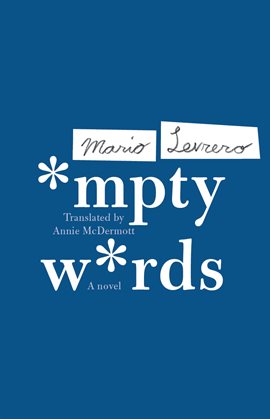
Does handwriting always reflect something about the soul? The charming narrator of “Empty Words” by Mario Levrero hypothesizes that by perfecting his penmanship, he can improve the concentration and continuity of his thoughts. He practices with a focus on form over content, but insights surface anyway: “I can’t stand repetitive, routine tasks, and — in writing, if not in life — want my experiences to be somehow new, unexpected, adventurous.”
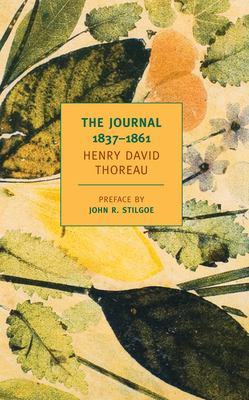
At this lust for novelty and perfection, I imagine Henry David Thoreau’s disapproval. “The Journal, 1837-1861” by Thoreau follows a writer’s journey not through place, but time; not toward adventure and achievement, but reverence and balance. How does a singular lakefront view change day by day, over years and years? How is the weather inside your soul? “A man’s life should be a stately march to a sweet but unheard music,” he wrote.
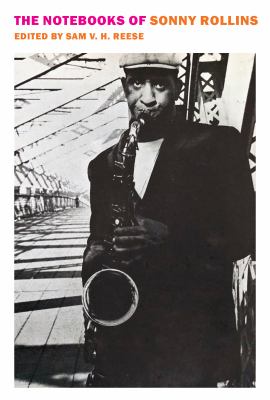
The saxophonist Sonny Rollins embodied this advice through his devotion to both his spirit and his instrument’s song. His musical practice is documented in “The Notebooks of Sonny Rollins,” ranging from technical notes on breathing and posture to the simplest of affirmations: “Persevere I shall.”
Prayer journal or pain diary, notes on nature or music; a place to practice penmanship or just a home for wayward thoughts — whatever kind of journal you keep, it is precious evidence of survival. “The time has not exactly flown,” Walker wrote on the first day of a new year, decades ago. “But in any case, I am still here.”