
Well, here we are. A perfect holiday for those who need a holiday between Thanksgiving and the Winter Holidays and if you want a sugar rush while baking, decorating and buying gifts, why not?
This is not one of four national chocolate holidays touted by the U.S. National Confectioners Association. Nor is it the International Chocolate Day (July 7) or the U.S. National Chocolate Day (October 28). No, this day celebrates the willingness of the general public to grab a pretzel or an orange slice and coat it in melted chocolate.
HOW TO OBSERVE CHOCOLATE-COVERED ANYTHING DAY
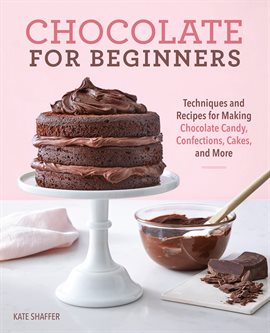 Create your own hand-dipped treats and invite your friends over for board games, movie watching or a white elephant exchange. A good chocolate cookbook is Kate Shaffer’s “Chocolate for Beginners.” Not only learn the basics of tempering chocolate and organizing your workspace, but find recipes for making all types of truffles. There are caramels, peanut butter cups, and my favorite: chocolate frogs with green guts!
I confess, I did look up frog molds on Amazon. I already have molds for pigs and unicorns; that should do.
Thinking it best if your friends made their own treats? Find a fondue pot or small chocolate fountain, and supply a variety of dippers. My favorites have tended to be gingerbread, flaky sugar twists, pound cake and apple slices, but you should consider your guests’ tastes. While most of us have endured the mundane straight melted chocolate over the years, I am looking at a toasted coconut and white chocolate with rum fondue recipe. Mexican chocolate fondue with orange essence. Or peanut butter and chocolate fondue that calls for brandy.
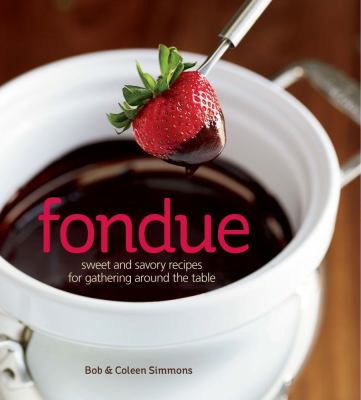 These and more recipes can be found in “Fondue: Sweet & Savory Recipes for Gathering Around the Table” by Bob Simmons. You don’t need a fondue pot for most desert fondues, according to Simmons, as the dip will retain its heat for possibly long enough for everyone to enjoy. Which gives you the opportunity to use that fondue pot for the party’s cheese dip. Simmons updates the fondue party by suggesting oil fondues, allowing people to deep fry small bites of meat, vegetable or tofu, then use flavorful dipping sauces as enhancement. Another section on broth fondues introduce fire pots and firepots, including Asian recipes for communal meals.
Are you more interested in buying your chocolate-covered everythings and perhaps not sharing? Deborah M. Reinhardt has you covered with her book “Delectable Destinations: A Chocolate Lover’s Guide to Missouri.” You can do a road trip! Travel the state, learn more about Missouri’s culinary history while enjoying every stop you make. Tik Tokkers and travel vloggers? I’d watch this series. Especially if you expanded it to include other area highlights.
TIME FOR HISTORY
While the history of chocolate is 5,000 years old, the earliest recipes we have of covering things with chocolate are found in the 18th century. When chocolate became popular in Europe, confectionary chefs found new ways to use it, including covering almonds and rolling truffles. Molded chocolates, which allow for ganache or fruit to be popped into the middle for a fun surprise, were developed in France in the 1830’s, which is also when the Dutch chemist Coenraad Von Houten created the first press that separated cocoa butter from the liquified chocolate, allowing it to be served as bars.
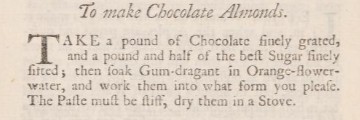
“Eliza Smith’s The Compleat Housewife” (1734) may be the first cookbook to share how to coat almonds in chocolate (page 190.)
Mass production of chocolate-covered foods began in the 19th century with almonds and peanuts, pretzels and cookies. It wasn’t until the 1960’s that fruit, especially strawberries, and marshmallows became popular. And then in 2005, the US started dipping bacon into a dark chocolate bath, sprinkled with sea salt or a variety of chopped nuts.
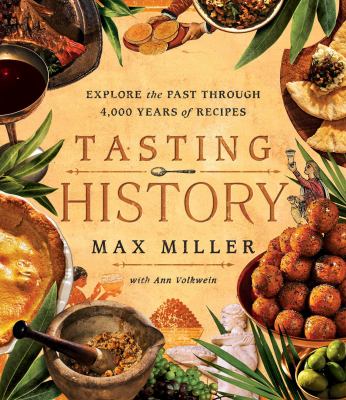 If you like reading about the history of foodstuff, I’m going to throw a couple of books I enjoy out here. One, “How Would You Like Your Mammoth” by Usa Seeburg, is a delightful series of essays about the preparing and eating of food throughout human history. Max Miller, who writes the forward, says these essays are historical bait; wheeling you in with food to learn about history. Miller is the author of the cookbook “Tasting History: Explore the Past Through 4,000 Years of Recipes,” and also the personality bringing that book alive on his YouTube channel. I base my watching of past episodes on what sort of history I am interested in and so far, Miller has not failed to deliver an excellent recipe as well.
EXPLORING FOOD TRENDS
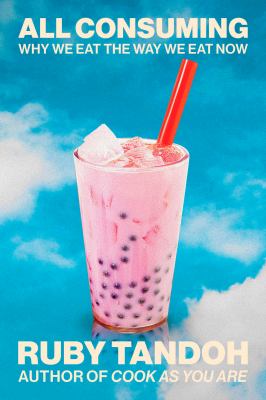 In the words of Ruby Tandoh: “…despite all of this – despite the constant, multimedia discourse on food, and despite the fact that it has never been easier to learn about cooking for find information on restaurants or dig around for nutritional guidance online – nobody seems to know what they are doing.” Her latest book is “All Consuming: Why We Eat the Way We Eat Now” and discusses the trends and influencers of our dinner plates. Enjoy a journey through the social and cultural, the economic forces that have brought our relationship with food to be a national pastime.
As an example, let’s consider the recent opening of a Trader Joe’s in Columbia, where I think you can get some chocolate-covered foods. It says something about our culture that one grocery store can cause such a stir in the community. Patrons talk about their visits and ask me my story. It’s gotten a lot of press coverage and is an example of the social and cultural aspects of which Tanhoh writes.
Enjoying chocolate in moderation is best for an every day practice, but I think it’s fine to acknowledge that as a nation, we have a love of the stuff. We have between 50 to 69 chocolate-related holidays, including National Chocolate Mint Day, National Chocolate Milk Day, Halloween, Valentine’s Day and National White Chocolate Day. You could start a trend within your family or workplace and celebrate every chocolate holiday with treats. Starting with this December 16, National Chocolate-Covered Anything Day!