
portrait
noun
por·trait ˈpȯr-trət -ˌtrāt
1: picture
especially : a pictorial representation of a person usually showing the face
2: a sculptured figure : bust
3: a graphic portrayal in words
From the “Merriam-Webster Dictionary”
There are different kinds of portraits: there are realistic representations painted on canvases, photographs collected in albums and descriptions written in books; some portraits are of famous people and some are of complete strangers. Here is a delightful conglomeration. Included are some interviews and various other ways to get a glimpse at who a person is, or was, with a special focus on relative unknowns.
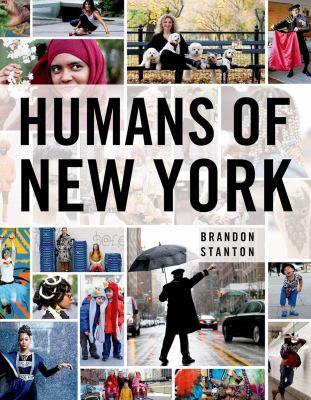 After a weekend visit to New York City, Brandon Stanton was so taken with the variety of interesting people he saw that he decided to return and start a photo blog. His photographs, and the accompanying commentary from his subjects, introduced a large following of people to the everyday folks of New York.
 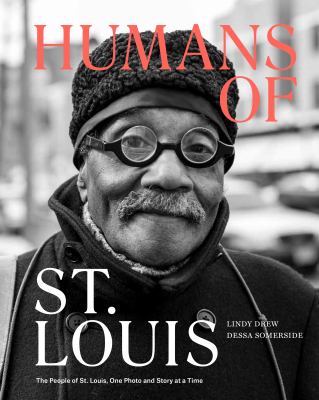 There has since been a book, “Humans of New York,” by Brandon Stanton, a book of essays, “Humans of New York: Stories,” by Brandon Stanton and a Humans of St. Louis book, “Humans of St. Louis: The People of St. Louis, One Photo and Story at A Time,” by Lindy Drew. These books are a reminder that every person has a story, no matter how inconspicuous they may be.
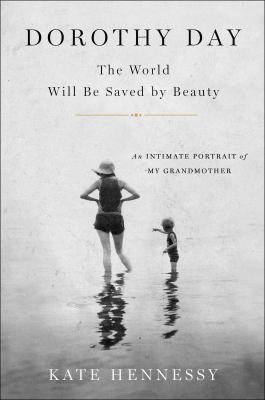 In the book, “Dorothy Day: The World Will Be Saved by Beauty, An Intimate Portrait of My Grandmother,” Kate Hennessy pulls no punches when describing her grandmother as a fully flawed human being. Publishers Weekly says, “By the third chapter, Day has been jailed, failed at suicide, chosen abortion, lived in sin, and borne a daughter out of wedlock.” Day went on to convert to Roman Catholicism and co-founded the Catholic Workers charity, whose mission it was to help the poorest of the poor. Unique from other writings about Day, here we see a close-up view of her, through the eyes of a family member, illustrating the real-life struggles of a fallible, but compassionate, person with a big vision.
If you are a fan of street style, you might already be a fan of Bill Cunningham. There is a documentary, available on Kanopy, entitled “Bill Cunningham, New York: A Portrait of the Beloved Fashion Photographer,” by Richard Press. He was a humble and lovable character. During his life, he rode his bicycle all around New York City, stopping to photograph people with interesting  clothes. He eventually became well known for his contributions to the New York Times’ “Times Style” section, “On the Street” and “Evening Hours,” and was invited to fashion events where he photographed style icons. “Bill Cunningham on the Street: Five Decades of Iconic Photography,” by Bill Cunningham, is an oversized collection of his work, including essays by and about some of his muses. It is nice to see the photographer become the topic, since he spent his life appreciating the people
  around him.
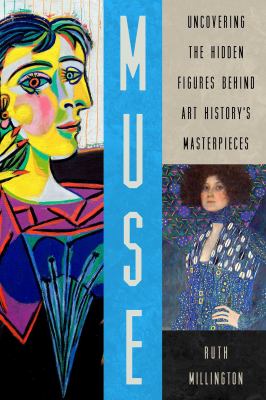
Lastly, what would a portrait be without a subject or, perhaps, a muse? In her book, “Muse: Uncovering the Hidden Figures Behind Art History’s Masterpieces,” Ruth Millington introduces us to thirty subjects of famous artworks. Millington makes a case for muses as more than just passive models. Muses were often active in the art world, inspiring artists and collaborating with them on their creative endeavors. The book aims to give muses long overdue credit for their place in art history.
Check out these books, and others, at the public library to read about the interesting lives and perspectives of humans, both well-known and little-known.