
On October 13 we celebrate Indigenous People’s Day. This day is a celebration of the true discoverers of our continent, the indigenous people who likely came here from modern day Asia tens of thousands of years ago, and whose descendants were forcibly and tragically removed into reservations and other areas away from their common lands. The same descendants contribute immeasurably to culture in North American and the United States at the present day.
 How did these ancient peoples arrive in North American in the first place? Most theories propose that, slightly before the immense Laurentide Ice Shield started quickly receding, around 10,000 years ago, they migrated across the Bering Land Bridge, which was also called Beringia. This was possible because the massive North American ice fields had sucked up so much water into their frigid interior mass that sea levels were at least 20 meters below current levels, thus creating Beringia.
However, it is now known that although peoples did make there way across the Bering Land Bridge at this time, others made their way down the “kelp belt” that rings the Pacific Coast much, much earlier; skirting the ice fields that would have hemmed them in. Some archeologists and historians of archaic human history believe that such exploration occurred as far back as 20,000-30,000 years ago.
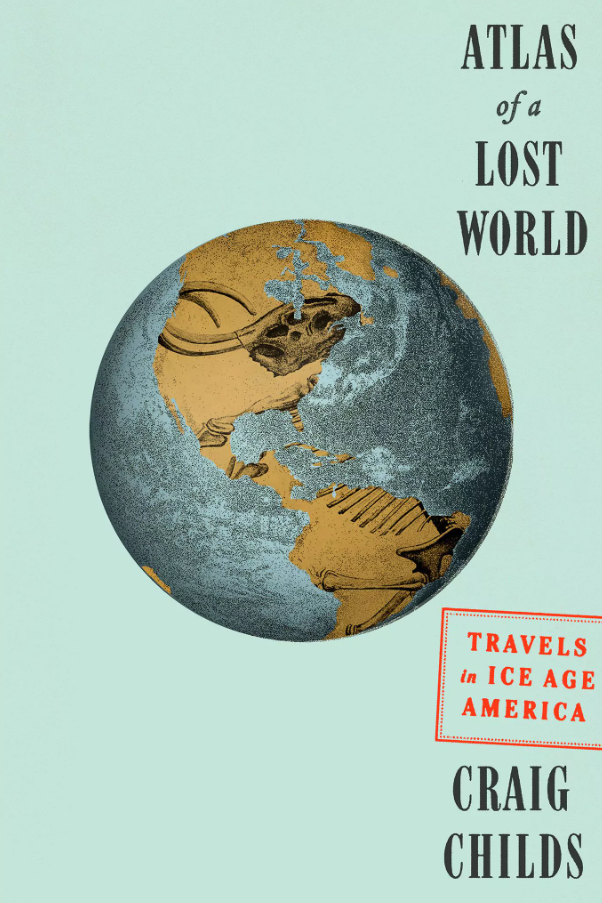
Perhaps my favorite book about these early peoples is 2018’s “Atlas of a Lost World: Travels in Ice Age America” by natural historian Craig Childs. Childs has written books mostly about the American Southwest and his beloved Colorado, but this particular book takes a trip up north to the little known “drowned land” of Beringia. Beringia was a vast, chilly plain filled with mega-fauna such as the wooly mammoth (and in the geographic location where the Bering Straight now resides). Although the early peoples who inhabited this region lived precarious lives, Beringia was also a fertile land that has been theorized to have been inhabited for many millennia, much like its drowned sister-world Doggerland. Child’s writing is at once humorous, science-based and philosophical, as he sketches the cold, cloudy (and probably very rainy area) that had muskeg like prairies teeming with abundant plants and bizarre animals like the short-face bear, all of which sustained these early peoples.
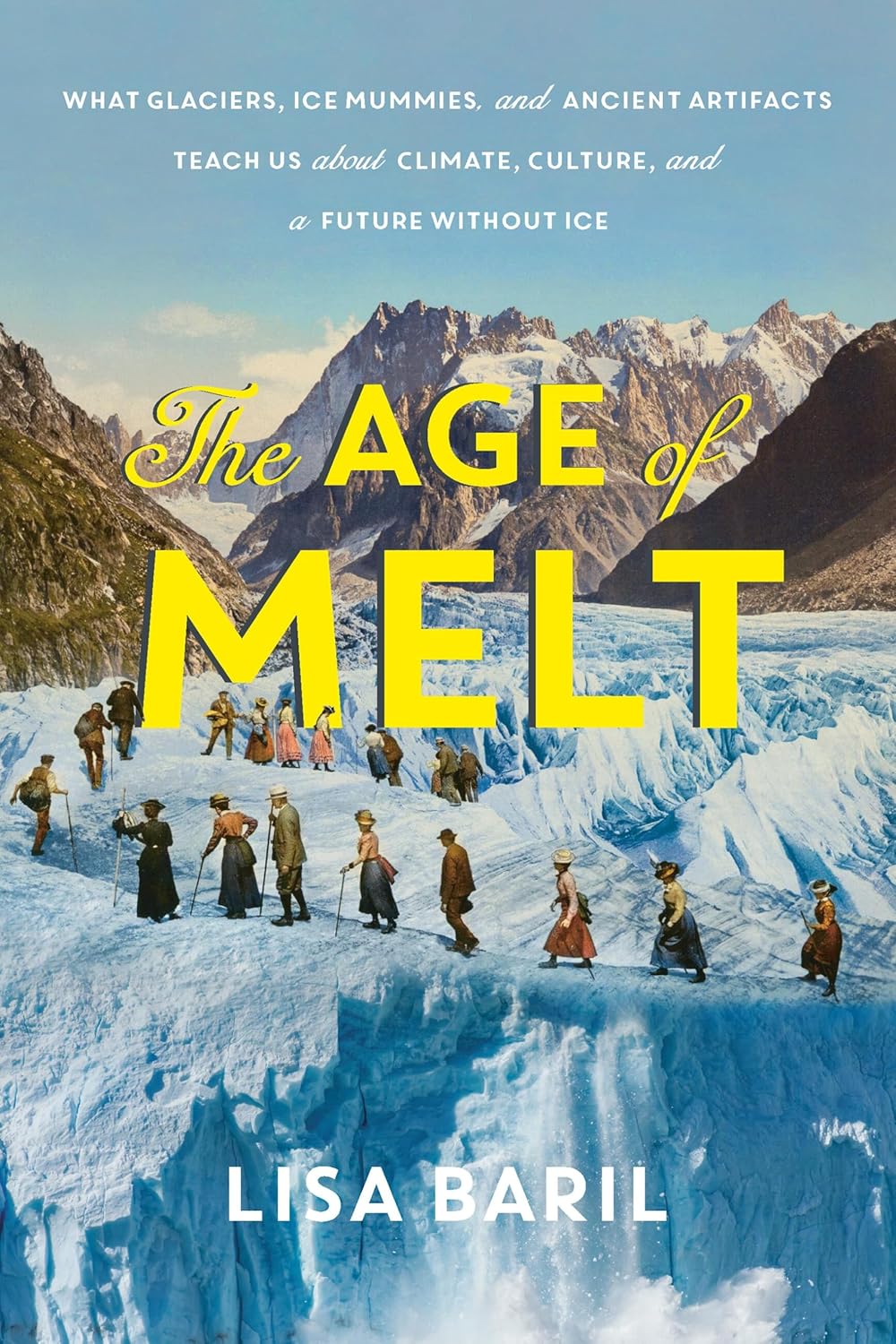
Several new books also explore these ice age cultures. “The Age of Melt: What Glaciers, Ice Mummies, and Ancient Artifacts Teach Us about Climate, Culture, and a Future without Ice,” by Lisa Baril is an outstanding addition to the pantheon, with vital explications of what both glacial and interglacial worlds actually looked like in the distant past. Please see the chapter “Yukon Hunters of the Alpine” for a particularly relevant investigation of the Kennewick Man. The remains of this man, also known as the “Ancient One” were found in the current state of Washington. Baril recounts the deeply fraught attempt to prove that he was indeed a First Nations person tied to Beringia (he was). As we continue to grapple with climate change and global warming, ice age science will prove to be invaluable as we try to understand how people adapted to a melting world.
I would be remiss in not mentioning other theories about how prehistoric Americans got to our continent. Dennis Stanford was part of a research group who has proposed that the first Americans were not from the Siberian steppe but actually Indo-Europeans from what are now parts of Spain and France. “Across the Atlantic Ice: The Origin of America’s Clovis Culture” is just one of several controversial research studies and books that claim that the early Americans were not Asiatic, but were in fact Solutrean people. This hypothesis has continued to be problematic for various reasons, including, but not limited to, evidence that the Solutrean people did not, in fact, have access to or even knowledge of seafaring ways.
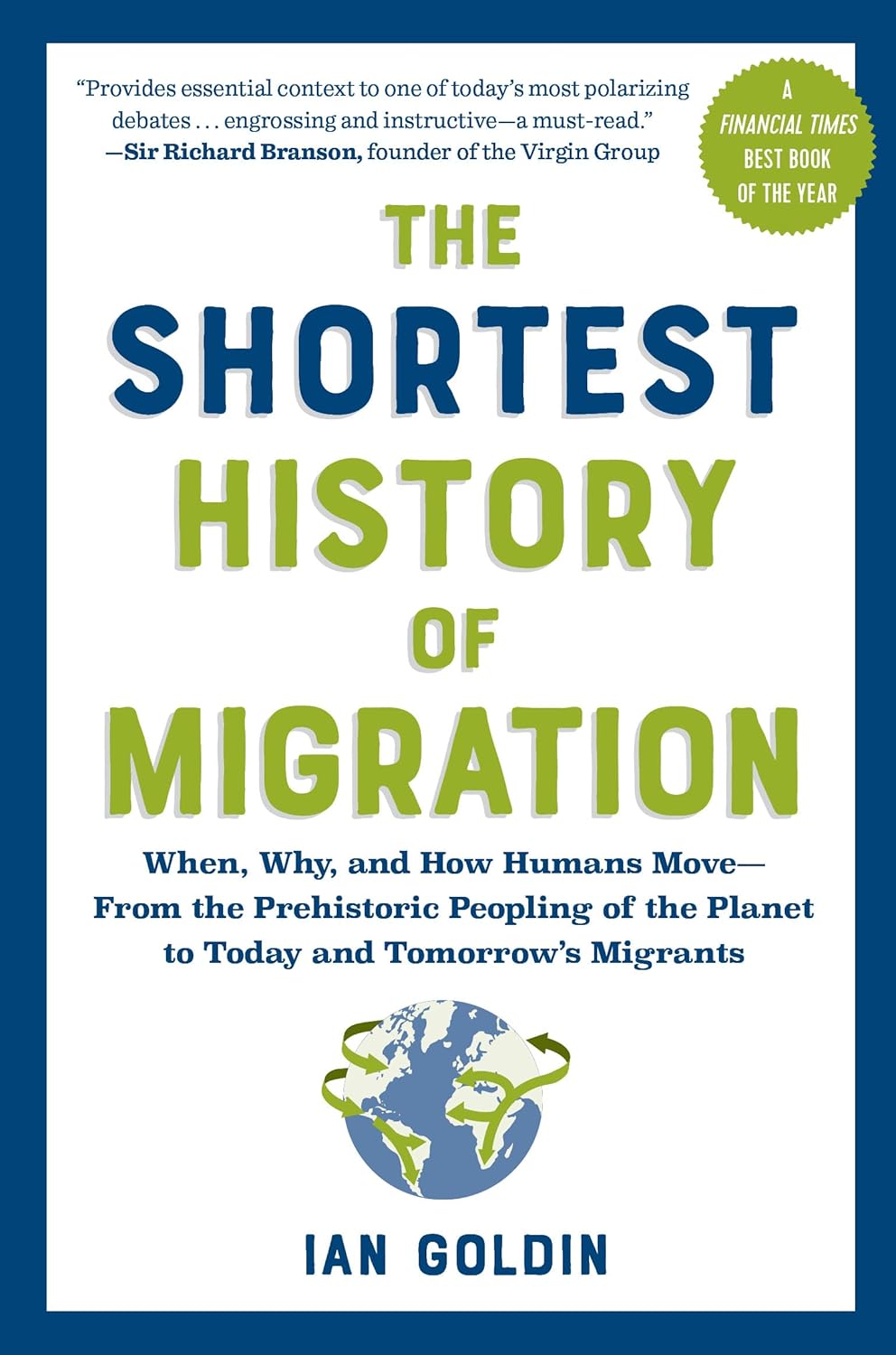 Why did these ancient peoples make these precarious and courageous migrations? See 2025’s “The Shortest History of Migration” by Ian Goldin. Regardless of our current draconian, violent and warlike attempts to hammer down national borders across the world, humans are, by their very nature, traveling creatures with a wanderlust and need to find new lands and territories. This wanderlust has historically occurred due to climate change, conflict, famine or, as Goldin’s lived generational experience points out, political repression and upheaval. Indeed, regardless of how they arrived here, the prehistoric peoples who migrated into North America were pushed by a relentless urge to find new horizons. This urge is deeply embedded in our DNA and biological makeup. It can even be stated, unequivocally, that human beings are a species much like birds or other animals who cannot thrive or even exist without constant migrations and geographical change.