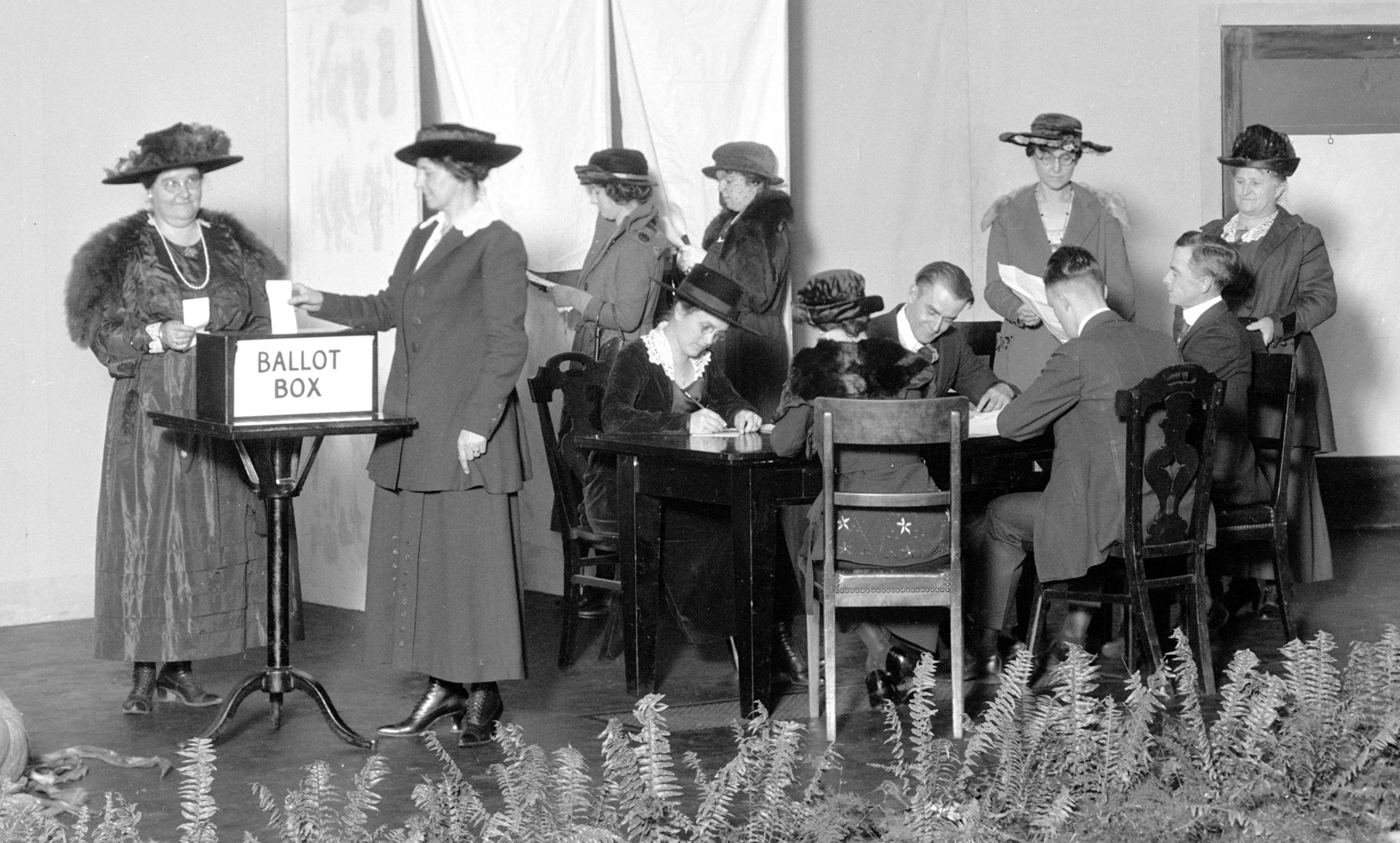
Women learn to vote at NCR in Dayton on Oct. 27, 1920. NCR ARCHIVES AT DAYTON HISTORY
2020 has been quite the year, hasn’t it? It’ll go down in history for its world-stopping pandemic, multiple environmental disasters and very turbulent election season. One thing that feels a bit lost in all the chaos is the fact that this year is a major anniversary. One hundred years ago, the 19th Amendment passed into law, finally giving all Americans the right to vote. Numerous women and men fought tirelessly over several decades for women to have the chance to have a voice in how their country is run. They faced many roadblocks over the years, but their hard work and determination ultimately paid off with the passing of the amendment on August 18, 1920.
The library, of course, offers a number of great materials on the subject if you’re interested in learning more. If you’d like to have a little bit of fun in the process, I invite you to try our first ever digital escape room: Votes for Women. We had planned to celebrate this anniversary with an in-person escape room earlier in the year. But like with many things in 2020, we’ve had to re-think our approach to library programs and create an online version. Continue reading “Digital Escape Room: Votes for Women!”
This is the second blog post in a series that will focus on resources the library and community have to help out parents with distance learning and homeschooling. The resources I will be focusing on in this second post are digital resources that are available to library patrons through the library’s website. These resources will be listed under a few different categories depending on what they have to offer. Continue reading “Homeschooling and Distance Learning Resources: Digital”
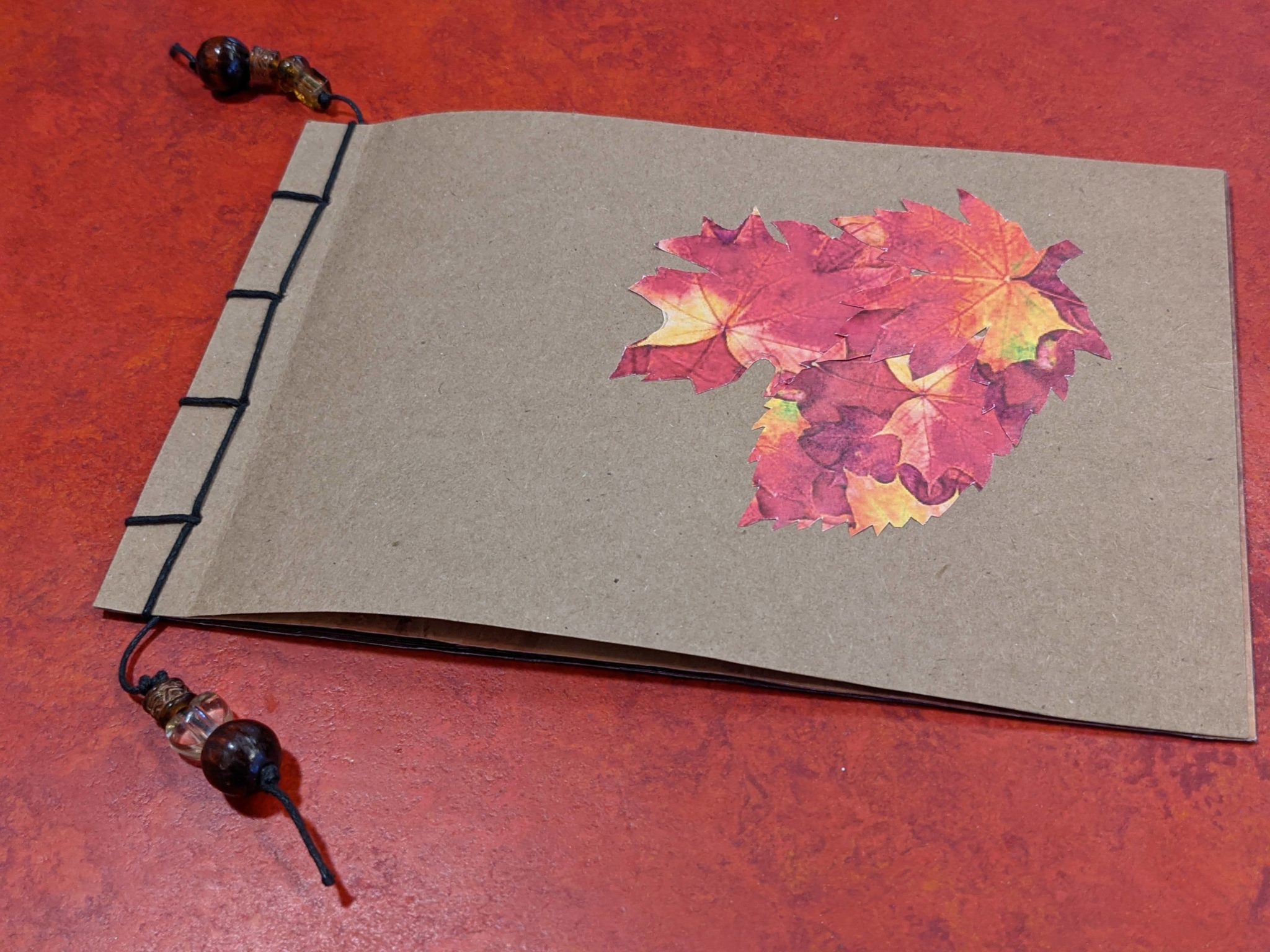
Yay! Autumn is finally here: apple cider, sweatshirts, a crackling fire and fragrant pots of soup. Maybe it is the crisp blue skies which accent some of the most beautiful scenery in nature that nudges my desire to be creative again. Maybe it nudges your creative spirits, too.
In light of all of this “creative nudging,” our fall DIY craft kits include the ingredients to make a personal journal with a beaded bookmark. Continue reading “Crafternoon-To-Go”
If you’re curious about your voting options for this election, go here.
Have you heard about the upcoming election? The one on Tuesday, November 3?
I hope you’re already aware of it, because it’s kind of dominating the news right now. Also, the last day you can register to vote is October 7 — one week from today! If you want to vote absentee or by mail, your last day to request a ballot application is October 21.
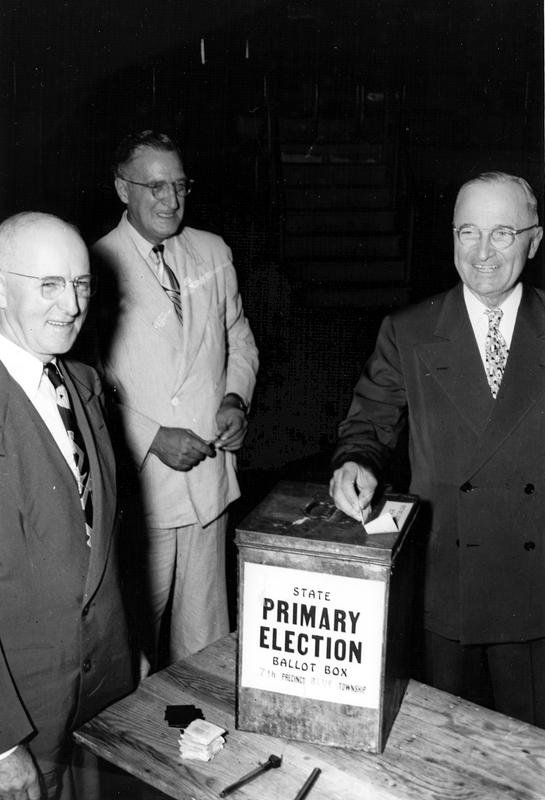
Credit: Galloway, Vernon Harry S. Truman Library & Museum
Let’s review those dates:
October 7 – Last day to register to vote.
October 21 – Last day to request an absentee or mail-ballot application.
This is the first blog post in a series that will focus on resources the library and community have to help out parents with distance learning and homeschooling. The first resource I’ll be sharing are books from the library on various topics related to parents as teachers and learning for children of all ages.
Books
“The Call of the Wild and Free: Reclaiming Wonder in Your Child’s Education” by Ainsley Arment
Inspired by the spirit of Henry David Thoreau — ”All good things are wild and free” — mother of five Ainsley Arment founded Wild + Free. This growing online community of mothers and families want their children to receive a quality education at home by challenging their intellectual abilities and nurturing their sense of curiosity, joy and awe — the essence of a positive childhood. The homeschool approach of past generations is gone — including the stigma of socially awkward kids, conservative clothes and a classroom setting replicated in the home. The Wild + Free movement is focused on a love of nature, reading great books, pursuing interests and hobbies, making the entire world a classroom, and prolonging the wonder of childhood, an appealing philosophy that is unpacked in the pages of this book. “The Call of the Wild and Free” offers advice, information, and positive encouragement for parents considering homeschooling, those currently in the trenches looking for inspiration, as well as parents, educators and caregivers who want supplementary resources to enhance their kids’ traditional educations. Continue reading “Homeschooling and Distance Learning Resources: Books”
With travel restricted, sometimes the best way to explore is through the pages of a book! There are a lot of exciting places that you can explore without leaving the comfort of your home. Around the world, there are a seemingly endless number of locations valued for their beautiful landscapes, cultural traditions and rich history. Some of these places are recognized for their natural and cultural value, and are listed as UNESCO World Heritage Sites. UNESCO stands for the United Nations Educational, Scientific and Cultural Organization. This organization is a world-wide group that is devoted to promoting [cultural diversity, safeguarding natural resources, and protecting culturally meaningful sites around the globe.
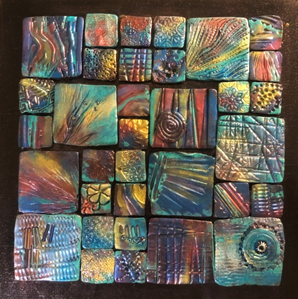
Since they were babies, my husband made Christmas ornaments significant for that year for our children out of polymer clay. I was always fascinated with the details of the ornaments, but found that clay hard to work with. That changed when I attended a workshop held by one of my colleagues on creating tiles with Sculpey clay — a polymer clay that is more pliable and easy to work with. There were examples shown of using the clay tiles to make boxes, picture frames and other decorative items. Continue reading “Take-Home Crafternoon Kit: Polymer Clay Tiles”
After a stressful trip to the grocery store, which has become a maze of confusing one-way aisles, what do you do to unwind? You’ve sprayed down all your groceries with disinfectant, taken your shower and put on your sweats. Time to fire up the old streaming service, am I right? Now comes the question: do you binge or do you comfort watch? Binge watching relies upon that human impulse to learn what happens next — you’re following story arcs, investing in characters and on the edge of your seat.
When you comfort-view, the pressure is off — you know what to expect already. Comfort watching immerses you in nostalgia for a time in your life, or in the familiar tropes of a beloved genre. Me, I like some good old-fashioned comfort T.V. Lately, the genre I’ve been craving is goofy old B-grade movies. The kind of campy sci-fi that makes me laugh at the loosely constructed plots, the terrible special effects and the sheer lunacy behind the premise of the script. I find it comforting that grown adults spent good money producing these preposterous films. Continue reading “Getting Campy on Kanopy”
In the midst of a pandemic, feeling connected is so important now more than ever. That is especially true for people who are acting as caregivers to friends, family, or loved ones. The role of caregiver can often be stressful, challenging, and exhausting, both mentally and physically. Since the library is unable offer our regular group meeting spaces, the Alzheimer’s Association is providing a number of free virtual education programs for the month of July and beyond. Continue reading “Virtual Education with the Alzheimer’s Association”
Rather than immerse myself in mythic, far-off lands, I preferred to keep my Summer Reading challenge close to home. Activities from this year’s program motivated me to explore the rich Black history in mid-Missouri. First embarking on the African-American Heritage Trail, I learned about local legends like Annie Fisher, the nationally-renowned “Biscuit Queen,” music venues like McKinney Hall that hosted jazz icons and the Sharp End Black business district, which was razed for urban renewal in the mid-twentieth century. Here you’ll find suggestions for completing the entire challenge while educating yourself about the fascinating heritage of Black folks in our city and state. Continue reading “Imagine Your Story: Legends of Local Black History”