
I last wrote about the first three wives of Daniel Dulany while illustrating my research process within the Columbia Public Library. Now I’m going to talk about Missouri foodway resources, and not only because of Jacintha, Mary and Ann. My own great-great-great grandmother, Barbara, was born in 1823 in Yancey County, North Carolina, in the same half-decade as these women. Before her birth, Jacintha’s father traveled from Albemarle County, Virginia, which is also part of the Appalachian area. Barbara moved with her family to Taney County, Missouri in the 1850’s. It is possible that these families would have shared similar foods and food-related experiences.
 The Merriam-Webster Dictionary defines foodways as “the eating habits and culinary practices of a people, region, or historical period.” Let’s examine some foodways that have developed in Missouri.
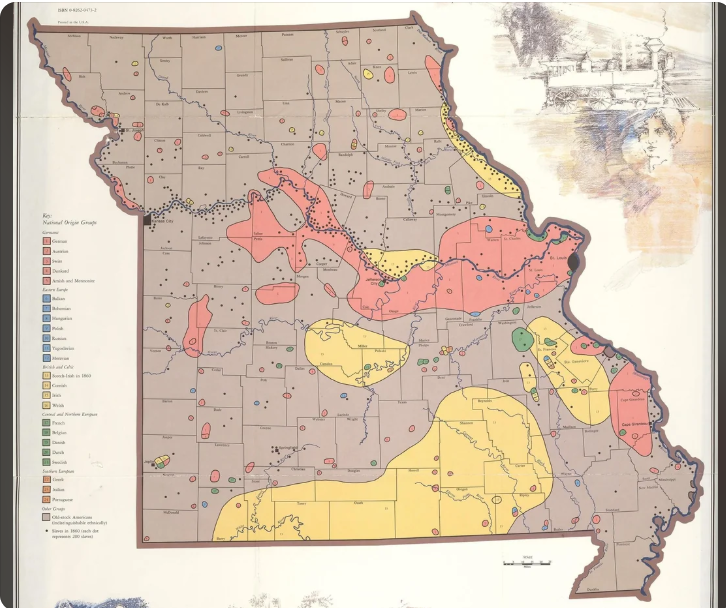
There is a fascinating pull-out map in Russel L. Gerlach’s book “Settlement Patterns in Missouri: A Study of Population Origins, with a Wall Map.” This map has an 1860’s view of the predominant settlers by areas. Boone County, for example, was settled by what the author calls old-stock Americans, which he defines to mean “assimilated native-born American population” and that “by the time of their settlement in Missouri, their ethnic identity had been erased by time and ethnic intermarriage.” I will point out the exclusion of the African American members of our population in this definition.
The wives of Daniel Dulany and my own great-great-great grandmother are considered old-stock Americans. Their foodways included foods their mothers and grandmothers prepared in their Appalachian homes as well as what could be grown, hunted or milled close to home with a limited quantity of canned and prepared foods available. Necessities such as white sugar, coffee, tea and baking powder primarily came up the Mississippi River and then across land in wagons.
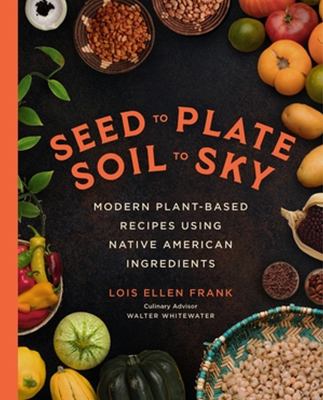 Indigenous people had a rich and varied diet with pawpaw, nuts, fruit, berries, greens, root vegetables, corn, grains, beans, squash, morels and other mushrooms available. Teas brewed from spicebush and sumac, and meat from fish, game and fowl. You can try some of these foods using Lois Ellen Frank’s book “Seed to Plate, Soil to Sky.” Working with Chef Walter Whitewater within her business Red Mesa Cuisine, Frank says that “our mission has always been to educate people on the history of Native American Cuisine and the contributions that Native Peoples have given to some of the foods we eat every day.” Foods ranging from chilies and chocolate from the south to pumpkins, beans and corn from, well, everywhere are worked into some lovely hearty vegetarian meals.
The Dulany women and my great-great-great grandmother would have been familiar with many of these foods, and I know that Barbara was familiar with and fed her family on wild-harvested greens and roots as well as fruits and berries. The Dulany women dwelt in town but it was a town of less than 800 so it is possible that women would harvest wild greens and fruit, especially in the spring. Other books that may interest you are Anthony Boutard’s “Beautiful Corn,” and “Indigenous Food Sovereignty in the United States,” edited by Devon A. Mihesuah and Elizabeth Hoover.
Black people have been in Missouri since 1720: enslaved peoples and free Black people who followed business and land opportunities up the Mississippi. This influence of African-centric cuisine and necessity-driven ingenuity is credited for barbeque, fried chicken, sweet potato dishes and Creole meals such as jambalaya and gumbo. They also wild harvested the foods found in fields and forests. I’ve not found any Missouri-specific Black cookbooks in our collection but we have several books devoted to Black American cooking. One is “The African-American Heritage Cookbook” by Carolyn Quick Tillery, first published in 1996 and updated in 2024. Tillery collected recipes, photos, journal entries, histories and more from The Tuskegee Institute to bring together this “narrative cookbook.” Dr. Carver’s recipes are included.
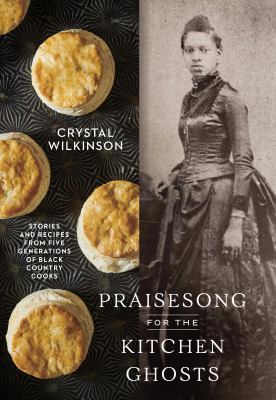 Crystal Wilkinson wrote of the Appalachian foods she grew up eating in her book “Praisesong for the Kitchen Ghosts.” Many of the foods are also found in Missouri. Wilkerson is a powerful story teller; meet five generations of her ancestors who cook, feed and teach. Recognize with Wilkerson the little habits she picked up from her grandmother, who possibly picked that up from hers. We have it in hard copy, streaming audio and ebook versions. I enjoyed this one so much I purchased it for myself.
Also derived from the Appalachian area is “The Foxfire Book of Appalachian Cookery,” edited by Linda Garland Page and Eliot Wigginton. The Foxfire Magazine was started in 1966, brought into book form beginning in 1977. The most interesting interviews are accompanied by images of the processes such as butter, cider, biscuits, and hominy. This history and cookbook would delight anyone wanting a bit of nostalgia. My mother remembers helping her own grandmother make sorghum and lard, and watching breadmaking. She not only had a flour drawer, but also a sourdough starter.
To put this all into perspective, her grandmother was the granddaughter of Barbara, who was a bride during the same decade as Jacintha, Mary and Ann. And FYI, *I* have a sourdough starter. And my flour rests in Tupperware.
The meals you serve depend on what food is available to you and how you want it to taste. The humble cabbage, for example, can be used for sauerkraut, corned beef and cabbage, or cold slaw. In Missouri, these three cultural foodways of Germany, Ireland and the Netherlands are joined by foods of Indigenous, Black, French and Italian cultures. In their book “Missouri Comfort: Recipes, Places and Food Traditions in the Show-Me State,” authors Mathew Unger and Porcshe Maran Murphy examine several historic foodways. Each section suggests restaurants to try and sample recipes. Columbia and Fulton are well-represented with mentions of the Morels and Microbrews Festival, Sycamore Restaurant, Big Daddy’s, and others.
Your library offers many country-specific cookbooks, including 96 French, 17 German, and 14 Irish cookbooks. Only one addresses the blending of the home country and the adaptations made in America, “A Return to Ireland” by Judith McLoughlin. If you are interested in trying some of the foods you remember from your own past, come explore our collections.
Today, I believe most of us eat an eclectic variety of food. At the Holiday Market that City of Refuge held recently, I picked up a big round loaf of Afghani bread. At home, we made pizza; a delightful fusion suggested by the baker herself. My greens come from a grocery store and I don’t have to mill my flour or tend to my own chickens. But working on this article has made me a bit more thoughtful about my connections to my own ancestors. And tonight and every night that I grab cutting board and knife, I honor the kitchen work that feeds our families.